Public Sector and Rail Unions Strike Tuesday Over Pay; Paris March Planned
Civil servants, teachers and rail workers strike Tuesday over pay and the frozen index point. What to expect in Paris: march route, metro, schools.
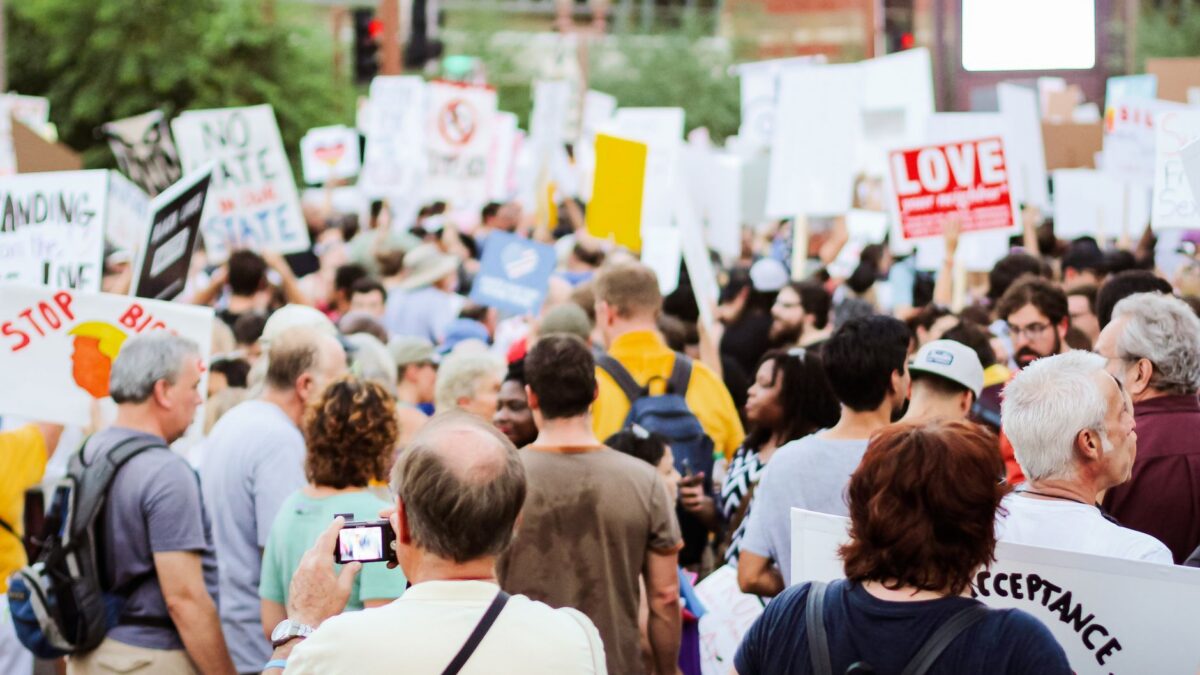
Unions have called public-sector workers, rail staff and teachers out on strike on Tuesday, Nov. 17, in a new national day of action over pay and the cost of living. In Paris, unions have filed a march route from place des Invalides to place d’Italie, and metro station closures in Île-de-France are quite possible depending on the route and police decisions.
High school and university student groups and the gilets jaunes (the “yellow vest” protest movement) say they will join. Tuesday is also the movement’s eighth anniversary.
What it means for getting around Paris
The SNCF (France’s national railway) was due to publish its traffic forecast on Monday. Rail workers have been called out by an alliance of the CGT, CFDT and Sud Rail unions to build on Nov. 5, when more than one rail worker in three was on strike, according to the CGT. For that earlier day, the SNCF had forecast broadly normal traffic on its main lines, franceinfo reported.
In the Paris region, closures of metro stations are possible along the march route, depending on where the procession goes and on orders from the Préfecture de police (Paris police prefecture). The route is not final. Like other prefectures, the Paris prefecture has shown it will ask for route changes or ban marches, sometimes at the last minute, a practice unions and legal experts have criticized.
The Paris march is backed by the regional union alliance of Île-de-France, which includes the CFDT, CFE-CGC, CGT, FSU, FO, Solidaires, Unsa and student groups such as the Unef, the Union étudiante, the Fage and the Union syndicale lycéenne.
Schools
The Snes-FSU, the largest union in collèges and general and technological lycées, and SUD Education have called on staff in primary and secondary schools to strike. The Ministry of Education expected a strike rate of 3.73% among public primary school staff, according to a message to media on Monday afternoon. Canteens and after-school services can be disrupted depending on how many staff declare they are striking.
Why unions are striking
The public-sector strike call was issued on Nov. 9 by an alliance of the CGT, Unsa, FSU, Solidaires, CFE-CGC and the FAFP, and was later joined by Force ouvrière and by the public-service branch of the CFDT. The unions want an “immediate and significant” increase in the point d’indice (the index value that sets civil servants’ base pay), which has not moved since 2023 despite inflation. The unions say public employees have lost 16% of their purchasing power since 2017.
The government has since announced a 1.6% rise in the SMIC (the national minimum wage) from Dec. 1 and higher pay for the lowest public-sector salaries. The unions said the measures announced on Friday, Nov. 13 fall far short, and CGT leader Sophie Binet called them “miettes” (crumbs).
How big the earlier protests were
- On Nov. 5, more than one in ten central government staff were on strike, along with 6.10% in local government and 4.97% in public hospitals, according to the ministry in charge of public accounts.
- Marches that day drew nearly 1.6 million people according to the CGT, while the Interior Ministry’s count was far lower.
- On Saturday, Nov. 14, marches went ahead across France, and the youth union alliance cited by Radio France gave a higher turnout figure than the Interior Ministry.
What comes next
Benjamin Ball, a member of the gilets jaunes coordination, told franceinfo the movement is calling for an Act VI of protests on Saturday, Nov. 21. Several unions have also urged private-sector workers, retirees and young people to widen the mobilization.
Sources: franceinfo, 20 Minutes, France Info