How France’s Government Works: A Plain-English Guide
Who does what in French politics: the President, Prime Minister, Parliament, prefects and mayors, and how laws and the yearly budget get passed.
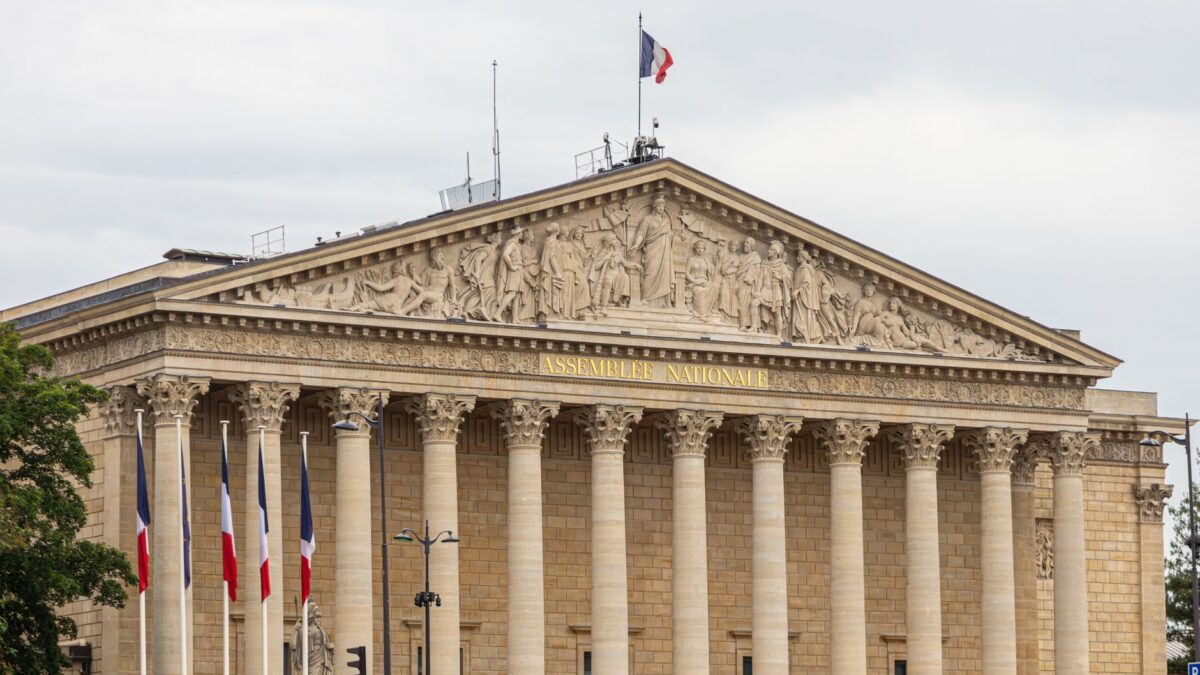
France is a semi-presidential republic: a President elected directly by voters and a Prime Minister appointed by the President share executive power, while a two-chamber Parliament passes laws. The state is represented locally by prefects, and cities, departments and regions have their own elected councils. Paris is both a commune and a department, with a mayor and a city council.
What does the President do?
The President is elected by direct vote in two rounds for a five-year term, with a limit of two consecutive terms. The President is head of state, commander of the armed forces and appoints the Prime Minister. The next presidential election is due in spring 2027. The President can also dissolve the Assemblée nationale and call a new parliamentary election. Specific officeholders change, so this guide names none; the government’s official site lists the current ministers.
What does the Prime Minister do?
The Prime Minister leads the government (the ministers), runs day-to-day policy and answers to the Assemblée nationale. The government can be removed by a vote of no confidence (motion de censure) in the Assemblée nationale. When the President’s party does not have a majority in the lower house, the two may disagree on policy; this has happened several times in French history and is called cohabitation in its strict form.
How is Parliament organized?
| Chamber | Members | How chosen |
|---|---|---|
| Assemblée nationale (National Assembly) | 577 deputies | Direct election by constituency, in two rounds, every five years unless dissolved |
| Sénat (Senate) | 348 senators | Indirect election by local elected officials, for six-year terms with partial renewals |
Both chambers meet in Paris: the Assemblée in the Palais Bourbon and the Sénat in the Palais du Luxembourg.
How does a law get passed?
- A bill is introduced either by the government (projet de loi) or by members of Parliament (proposition de loi).
- Committees examine it, and each chamber debates and amends it. The text moves back and forth between chambers, a process known as the navette.
- If the two chambers do not agree, a joint committee tries to agree on a common text. The government can then ask the Assemblée to have the last word.
- The Conseil constitutionnel (Constitutional Council) can review the law if it is referred to it, before the President promulgates it.
- The law is published in the Journal officiel, searchable on Légifrance.
The government can use article 49.3 of the Constitution to pass a text without a vote, unless the Assemblée adopts a no-confidence motion. It is controversial, and its use is limited by the Constitution.
How does the yearly budget work?
The state budget is proposed in the autumn as the projet de loi de finances (PLF), and the social security budget as a separate bill. Parliament debates them in the autumn and aims to pass them before the end of December so that they apply from 1 January. If a budget cannot be passed in time, a special law can allow the state to keep collecting taxes and paying for the essential items while talks continue. The exact calendar and amounts change from year to year.
What do prefects, mayors and regions do?
A prefect (préfet) represents the state in each department and region, and runs the local services of the state, including the issuing of residence permits through the préfecture. In Paris, the préfecture de police handles many tasks, such as foreigners’ paperwork; see the guide on appointments at the préfecture de police. Mayors run the commune: civil registry, local planning, schools’ buildings, and local police in many towns. In Paris, the mayor and the city council also exercise the powers of a department, and the arrondissements have their own mairies. The Île-de-France region is responsible for public transport planning, high schools and economic development, which links to Paris public transport fares in practice.
What are the main courts and independent bodies?
Judges in France are independent of the government. Ordinary courts handle civil and criminal cases, while administrative courts handle disputes with public bodies, such as a refused permit; the Conseil d’État is the highest administrative court. The Conseil constitutionnel checks that laws respect the Constitution. A separate official, the Défenseur des droits, receives complaints about public services and discrimination. These bodies matter to residents who want to challenge a decision, for example a refusal of a residence permit, where a time limit usually applies, so read the decision letter carefully.
Why does politics affect residents?
Government decisions change rules for residence papers, benefits, taxes and public services, and they can also trigger strikes. A bill on pensions or the budget can prompt union action that disrupts transport, as in the guide to planning around strikes. Elections determine who sets rules in the city, region and country. EU citizens may vote in local elections after registering on the electoral list, while national elections are for French citizens.
Bottom line
When a news story mentions a bill, check where it stands in the process: introduced, voted in one chamber, sent to the Constitutional Council or published. Only the last step changes the rules that apply to you. For official texts, use Légifrance and the Assemblée and Sénat websites.
FAQ
Who is in charge, the President or the Prime Minister?
Both share power. The President sets major direction, and the Prime Minister and government run daily policy and answer to the Assemblée nationale.
Can foreigners vote?
EU citizens can vote in municipal and European elections in France. Other foreign residents cannot vote in elections.
How many arrondissements does Paris have?
Twenty, though the first four share a single mairie since 2020 as Paris Centre.
Where do I find a law in force?
On Légifrance, which publishes the official text of laws and decrees.