Best Neighborhoods in Paris for English-Speaking Newcomers
Eight areas that suit newcomers, compared by atmosphere, transport and green space. Check current rents on the official observatory before choosing.
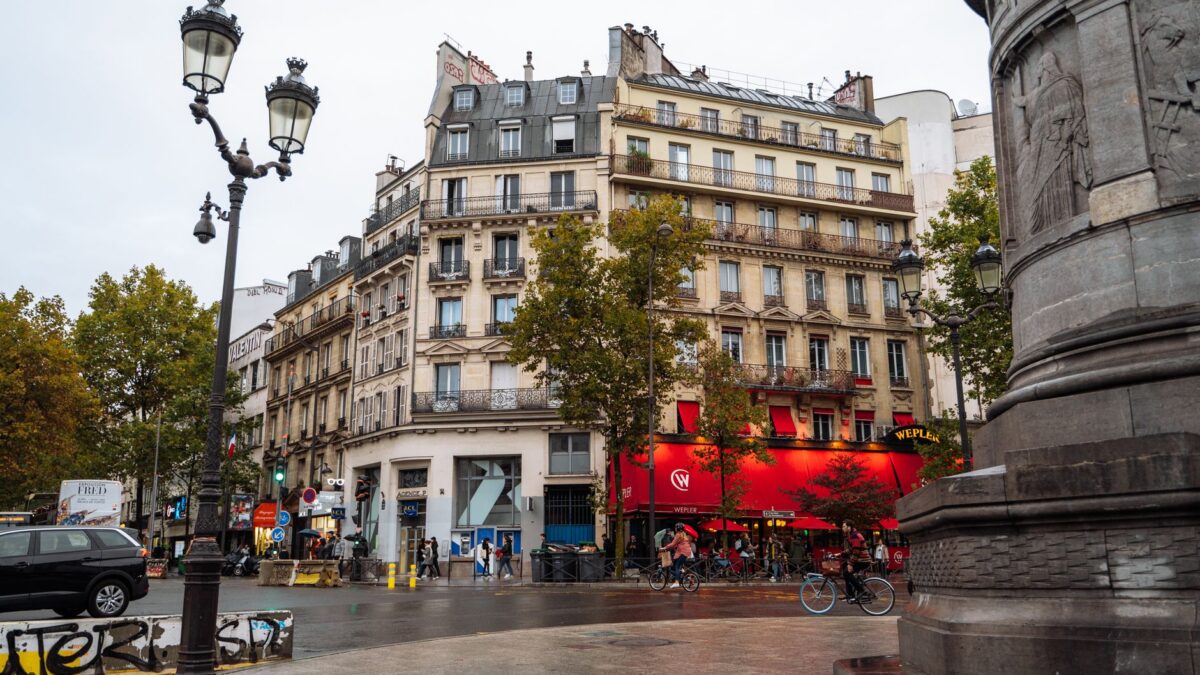
There is no single best district. Newcomers who want an English-speaking, central base often choose Le Marais, Canal Saint-Martin or Batignolles, families lean toward Vincennes or Boulogne-Billancourt, and Montmartre trades convenience for views. Rents vary more by street than by area name, so compare each flat to the official reference rents.
How do the eight areas compare?
| Area | Vibe | Main transport | Green space |
|---|---|---|---|
| Le Marais (3rd, 4th) | Historic, busy, shops and galleries, lively evenings | Metro 1, 8, 11, 5, 3, 7 depending on the street | Place des Vosges and small squares |
| Montmartre (18th) | Hilly, village feel, tourist crowds near Sacré-Cœur | Metro 2 and 12, and the funicular | Parc de la Turlure and nearby gardens |
| Canal Saint-Martin (10th) | Young, cafés, canal-side evenings | Metro 5, 11, 7 | The canal banks, Square Villemin |
| Bastille (11th, 12th) | Nightlife, markets, mixed ages | Metro 1, 5, 8 | Promenade plantée, Place des Vosges nearby |
| Batignolles (17th) | Residential, calm, family-friendly, village feel | Metro 2, 13, and Line 14 at Pont Cardinet | Parc Martin Luther King |
| Boulogne-Billancourt (92) | Suburban, offices, schools, space | Metro 9, 10 | Bois de Boulogne, riverside walks |
| Neuilly-sur-Seine (92) | Quiet, very residential, high-end | Metro 1 (Les Sablons, Pont de Neuilly) | Bois de Boulogne |
| Vincennes (94) | Residential, markets, family friendly | Metro 1, RER A | Bois de Vincennes |
Which areas suit a first-time visitor on a longer stay?
Le Marais, Canal Saint-Martin and Bastille put cafés, bars and many metro lines within a short walk, and you can live without a bike or a car. They are also the most competitive for short-term furnished leases, so move quickly on good listings. Expect small flats, steep stairs without a lift and noise on busy streets, particularly in the evenings.
Where do families and long-term residents go?
Batignolles, Vincennes and Boulogne-Billancourt offer more space per euro and a calmer street life. Vincennes and Boulogne sit just outside the city limits, which means different commune services, but metro and RER links remain direct. For schools, enrolment is by address, so verify the school map for your exact street, as covered in the school enrolment guide. Neuilly has the quietest streets and the highest prices of this list.
How do rents compare?
We do not publish a table of average rents because the sources disagree. Aggregator sites give a Paris average of roughly 26 to 40 euros per square metre depending on method, date and whether charges are included, and figures for inner suburbs are not consistent. The reliable sources are the Paris rent observatory (OLAP) for Paris and its neighbouring communes, and the official reference rents for any flat inside Paris. See the rent cap guide for how to check an address.
As a general rule, rents in central arrondissements are higher per square metre than in the outer ones, and small flats cost more per square metre than large ones. Suburbs next to the city can be cheaper per square metre but not always, and they have their own taxes and rules.
What should you check before choosing?
- Walking time to the nearest metro or RER station, and which line it serves.
- Noise: bars on the street, a market day, or a school opposite.
- Floor and lift, which matter more than the district name in a typical Paris building.
- Access to a pharmacy, a doctor and a supermarket within ten minutes.
- Your commute at rush hour, by testing it on a weekday before signing.
Your transport costs are covered in the Navigo guide, since the pass zones affect suburban choices.
How do you test an area before committing?
Spend an afternoon and an evening in the area before you apply for a flat. Walk from the metro to the front door, listen for noise after 10 pm, and check where you would shop on a Sunday. Many Paris markets and shops close on Sundays or Mondays, and some districts empty out in August. Look at the local bakery, pharmacy and the nearest park, then decide whether the daily routine works for you.
If you work in a fixed place, test the commute at 8 am on a weekday. A route that looks short on a map can include a transfer that doubles the time. For suburbs, check the last trains too, since service ends earlier than in central Paris.
Finally, remember that the arrondissement number is not a quality ranking. Streets two blocks apart can feel very different, so use the district as a starting point and judge each flat on its own address.
Bottom line
Pick the commute and the street first, the district label second. If you are unsure, take a short furnished lease in a central area and decide on a long-term home after a few weeks.
FAQ
Do people speak English in these areas?
You will find English in shops and restaurants in tourist areas such as Le Marais and Montmartre. Landlords, agencies and public offices work mainly in French everywhere.
Is it cheaper to live outside Paris?
Sometimes per square metre, but the saving depends on the commune, and commuting costs and time add up.
Which areas are the safest?
Any central area has pickpockets in busy places. For crime figures, rely on official local data rather than reputations.
Can I use a Paris address for tax and services if I live in the suburbs?
No. Services and local taxes follow your actual home address.