Notre-Dame de Paris History: Construction, Fire and Reopening
Notre-Dame de Paris was begun in 1163 and reopened on Dec. 7, 2024 after the April 2019 fire. Its building, damage, rebuilding and what to know now.
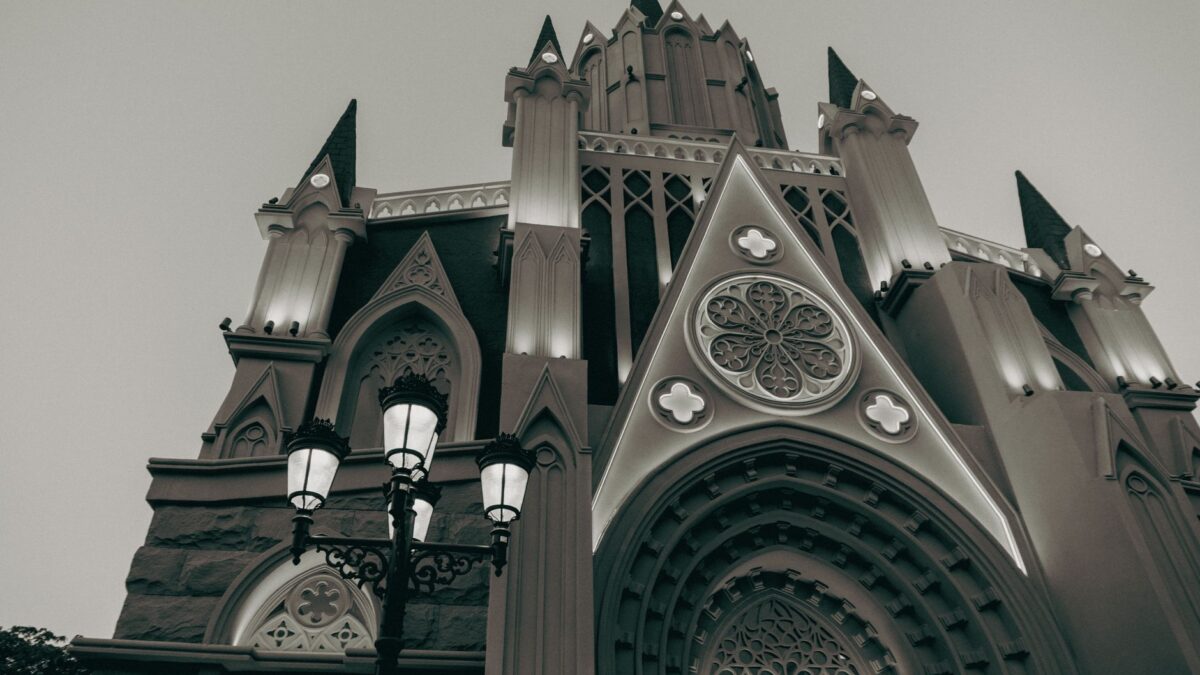
Notre-Dame de Paris is a Gothic cathedral on the Île de la Cité, an island in the Seine in the 4th arrondissement. Bishop Maurice de Sully began building it in 1163, it was largely complete by 1260, and a fire on April 15, 2019 destroyed much of its roof and its spire. The cathedral reopened on Dec. 7, 2024 after three years of reconstruction.
When and why was Notre-Dame built?
Construction began in 1163 under Bishop Maurice de Sully, and the high altar was consecrated in 1182. The choir was finished in 1182 or 1185, and the nave with its flying buttresses around 1200. The towers were started between 1210 and 1220, and the west rose window was complete in 1220. Chapels went up between the buttresses from 1235 to 1245, and the transepts were extended and given their rose windows between 1250 and 1270. Wikipedia gives 1345 as the completion date for the whole building.
The cathedral is dedicated to the Virgin Mary, which is the meaning of its name, Our Lady of Paris. It is regarded as one of the finest examples of French Gothic architecture. The rib vault, the flying buttress, the large coloured rose windows and the abundant sculpture set it apart from the earlier Romanesque style.
Older buildings stood on the site first. A Gallo-Roman temple to Jupiter is believed to have been there before Christianity arrived, and the Pillar of the Boatmen, found beneath the cathedral in 1710, is cited as evidence. In the 4th century a cathedral dedicated to Saint Stephen was built just west of the present one.
What happened to Notre-Dame during the Revolution?
The cathedral suffered extensive desecration in the 1790s, and much of its religious imagery was damaged or destroyed. In 1790 the revolutionary Paris Commune removed all bronze, lead and precious metals to be melted down. In 1793 the building became a Temple of Reason and then a Temple of the Supreme Being.
The Concordat of 1801 let Napoleon return the use of the cathedral to the Catholic Church, though not its ownership. On Dec. 2, 1804, Napoleon crowned himself Emperor there. In 1805 Pope Pius VII gave the cathedral the honorary status of minor basilica.
Who restored the cathedral in the 19th century?
Victor Hugo published his novel Notre-Dame de Paris (English title: The Hunchback of Notre-Dame) in 1831, and the interest it created led to a restoration between 1844 and 1864. Jean-Baptiste Lassus and Eugène Viollet-le-Duc carried it out, adding elements in the spirit of the original Gothic style. The south rose window, rebuilt in 1854, dates from this period. Readers curious about the same century in the rest of the city can read about how Haussmann’s boulevards and apartment blocks were built.
What role did Notre-Dame play in the Commune and the Liberation?
In the last days of the Paris Commune in 1871, the Communards prepared to burn the cathedral. They dropped the plan because the fire would also have burned the crowded neighbouring hospital for the elderly. On Aug. 26, 1944, General Charles de Gaulle marked the Liberation of Paris with a special Mass there, and the Magnificat was sung.
Culture Minister André Malraux began cleaning soot and grime off the façade in 1963. Another cleaning and restoration project ran from 1991 to 2000.
Who owns Notre-Dame?
Since 1905, Notre-Dame has been owned by the French government, like the other cathedrals in France. The Catholic Church holds the exclusive right of use, and the state is responsible for maintenance. The current archbishop of Paris is Laurent Ulrich, and the rector is Olivier Ribadeau Dumas.
How did the April 15, 2019 fire unfold?
The fire broke out in the roof space at 18:18 local time. Investigators believe a cigarette or an electrical short circuit started it. The alarm sounded at 18:20, but the guard sent to check went to the attic of the adjoining sacristy, where there was no fire. The error was found about fifteen minutes later, and by the time guards reached the cathedral attic the fire was well advanced. The alarm system did not alert the fire brigade automatically, which was called at 18:51. Firefighters arrived within ten minutes.
The wooden spire (flèche) collapsed at 19:50. Shortly before, the fire had reached the wooden frame of the north tower, which held eight very large bells. If they had fallen, the north tower and then the south tower might have collapsed, and with them the whole cathedral. At 20:30 firefighters gave up on saving the roof and concentrated on the towers. More than 400 firefighters took part, and the fire was under control by 21:45. It lasted 15 hours in all.
Crews fought the fire mostly from inside the structure. That was more dangerous for them, but water thrown from outside could have pushed flames and hot gases inwards. Water came from the Seine by pump-boat. Aerial firefighting was ruled out because water dropped from height could damage the structure, and heated stone can crack if cooled suddenly.
The fire destroyed the spire and most of the wooden roof and severely damaged the upper walls. The vaulted stone ceiling largely held back the burning roof as it fell. The altar, two pipe organs and three 13th-century rose windows suffered little or no damage. Nobody died, and three emergency workers were injured. The fire also contaminated the site and nearby areas with toxic dust and lead.
How long did the rebuilding take?
Two days after the blaze, President Emmanuel Macron set a five-year deadline for restoration. Reconstruction began in 2021 and lasted three years. By September 2021, donors had contributed over €840 million. Before the fire, the Ministry of Culture had estimated needed renovations at €150 million in 2014, and in 2016 the Archdiocese of Paris launched an appeal to raise €100 million.
The reopening ceremonies took place on Dec. 7 and 8, 2024. The Crown of Thorns relic returned to the cathedral on Dec. 13, 2024. Follow-up work on the surroundings and interior fittings continued into 2026, according to Wikipedia’s account of the fire. For tickets, tower access and what to expect on a visit, see our guide to visiting Notre-Dame after reopening.
Quick answers
Where is Notre-Dame de Paris?
It stands at the Parvis Notre-Dame, Place Jean-Paul-II, on the Île de la Cité in the 4th arrondissement of Paris.
Did the 2019 fire destroy the whole cathedral?
No. The spire and most of the roof were destroyed and the upper walls were badly damaged, but the stone vault held much of the burning roof back and the altar, two organs and three rose windows were largely spared.
When did Notre-Dame reopen?
The reopening ceremonies were held on Dec. 7 and 8, 2024, after three years of reconstruction.
Checked against official sources in November 2026. Hours, prices and rules change: confirm on the official page before you go or apply.