French Airlines Warn Fares Could Jump 20% on Fuel and New Taxes
France's airline federation says jet fuel now makes up 40 to 45% of costs and new taxes add €250 million a year. What it means for fares and flights.
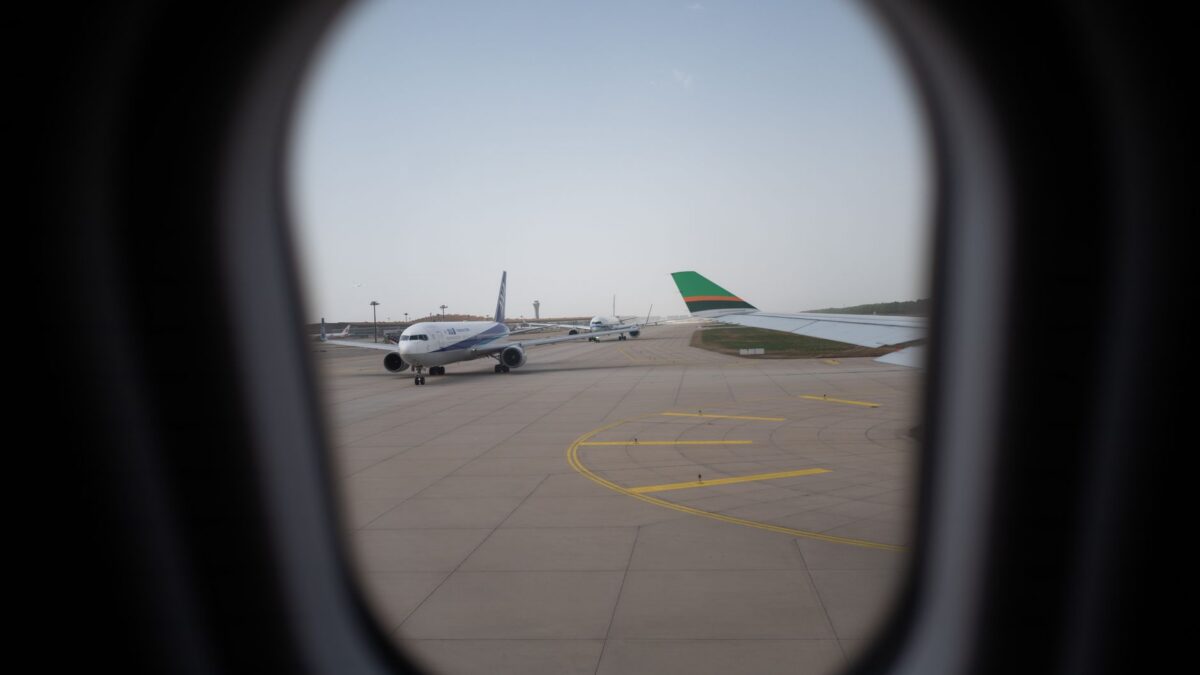
French airlines say ticket prices would have to rise by 20% if they passed on the full cost of expensive jet fuel and the tax increases planned in the 2027 budget bill. The warning came from the Fnam (Fédération nationale de l’aérien et de ses métiers, the French airline industry federation), whose president, Corsair chief Pascal de Izaguirre, said carriers cannot charge that much without losing passengers.
Instead, airlines are cutting seats. Capacity will be down 1% on average this winter, which de Izaguirre described to BFM as a first outside the Covid period.
Fuel now eats up almost half of airline costs
According to the Fnam, kerosene accounts for 40 to 45% of an airline’s costs, up from 25% before the conflict in the Middle East. The federation says the fuel price has doubled after eight months of crisis in the region, and de Izaguirre told BFM he sees no drop coming soon.
Air France-KLM confirmed it has scaled back its plans. Lucie Muniesa, the group’s secretary general, said its capacity target for 2026 is now growth of 2%, lower than it had planned earlier.
What it means for ticket prices
So far, carriers have held fare increases to about 4% on average, according to de Izaguirre, though he said prices have climbed faster in recent months, by 10 to 13%. He argued that pushing fares above a certain level would choke off demand that is already weak, so airlines are absorbing part of the cost.
Full compensation would mean a 20% jump in fares, which he called impossible. The industry warns that the room for restraint is shrinking, and that higher French taxes will make tickets from France dearer than tickets from neighbouring countries.
The taxes airlines object to
The 2027 finance bill keeps or raises several charges on flying:
- the higher solidarity rate of the TSBA, the tax on air passenger transport
- an increase in the TEITLD, a tax on operators of long-distance transport infrastructure
- a higher T2S, the airport safety and security charge
- the start of a CDG Express tax, linked to the planned rail link to Roissy-Charles-de-Gaulle airport
Muniesa also pointed to the European revision of the ETS, the EU system in which airlines buy CO2 allowances, which she said will cover more flights and raise costs further.
The Fnam puts the extra tax burden at €250 million a year from 2027 and says tax rises have cost airlines €3 billion over five years. It accuses the government of breaking its promise of tax stability and says the burden is cutting into money for investment, including in lower-carbon flying.
Fewer passengers than elsewhere in Europe
Traffic from France has fallen slightly over the first ten months of the year while it has grown across Europe, according to the Fnam. Compared with 2019, international traffic is down 6% and domestic routes are down 21%. The federation says international flights no longer drive growth in French traffic.
Easyjet’s France director, Bertrand Godinot, said tourists compare destinations by tax. He gave the example of British travellers choosing between Corsica and the Balearic Islands, where he said the gap can reach €15, and added that they are already going elsewhere.
Airlines ask for state-backed loans
De Izaguirre said the strain is now reaching airlines’ cash reserves. “On commence à toucher aux trésoreries” (we are starting to dip into cash), he told BFM. He wants support measures such as state-guaranteed loans, saying carriers can no longer borrow from banks.
The tax measures are part of the 2027 budget bill now before Parliament. For travellers in France, the airlines’ message is that fewer flights this winter and further fare increases are both on the table if the bill passes as written.
Source: BFM