French Public Workers Strike Again as Budget Freezes Pay for Fourth Year
Public sector workers across France struck on Tuesday over pay, after talks with Prime Minister Sebastien Lecornu. What the government offered and why unions refuse.

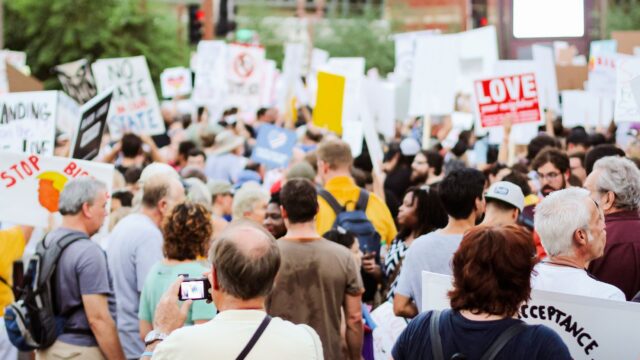
Public sector workers walked out across France on Tuesday in another nationwide strike over pay, as the government tries to get its 2027 budget adopted. Euronews reported that the protests came after talks with Prime Minister Sebastien Lecornu ended without satisfying the unions, which want a pay rise for all public employees.
The draft budget rules out a general pay increase for public servants for the fourth year running. The government points to the state of public finances, with the deficit and national debt both growing.
What the government has put on the table
The government has tried to calm the dispute with two targeted measures, according to Euronews. It announced eight extra index points for the lowest-paid public sector workers.
It also moved forward an increase in the national minimum wage, the SMIC, so that it takes effect on Dec. 1, a response to inflation.
Unions say neither step replaces an across-the-board raise. They estimate that public servants have lost 16 percent of their purchasing power since 2017. As prices rose and pay stayed flat, a growing number of public employees now earn the minimum wage or close to it, the unions say.
How the protest movement grew
The unrest began in mid-September, about eight weeks ago, when students protested over conditions in schools. Since then the movement has widened to include anger over the cost of living and rising fuel prices, and public sector unions have made pay their central demand.
Turnout has fallen in recent weeks, according to figures from France’s Interior Ministry. Most demonstrations have been peaceful. There have been some violent incidents on the fringes, Euronews reported, including attacks on journalists, police officers and public buildings, and the use of firecrackers.
Police have also faced criticism. Officers have been accused of using disproportionate force against protesters, and several investigations into alleged misconduct have been opened.
What it means for people living in France
Days of nationwide strikes and marches can disrupt daily routines in the capital. Commuters who want to plan around walkouts can use our guide to getting around Paris during strikes.
For workers on the minimum wage, the earlier SMIC increase from Dec. 1 is the most concrete change so far. For most public employees, the draft budget means no general pay rise next year unless the government changes course during the budget debate.
What happens next with the budget
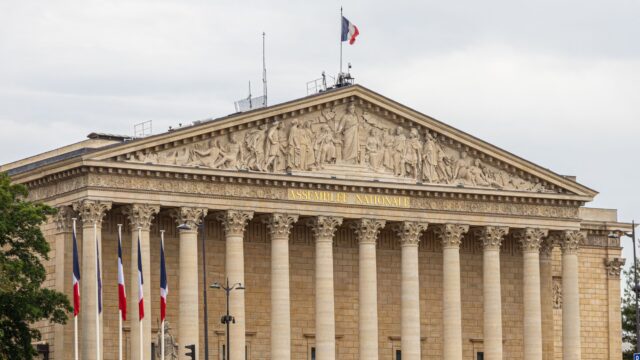
The government is racing to get the 2027 budget through Parliament while public finances are under strain. Our plain-English guide to how France’s government works explains the roles of the Prime Minister and Parliament. Unions have said the government’s offer is unacceptable and continue to press for across-the-board raises.
Source: Euronews