Buying a Flat in Paris: Prices, Notary Fees and Steps
What a flat in Paris costs per square metre, how notary fees are built, and the steps from offer to the final deed, including the 10-day cooling-off period.
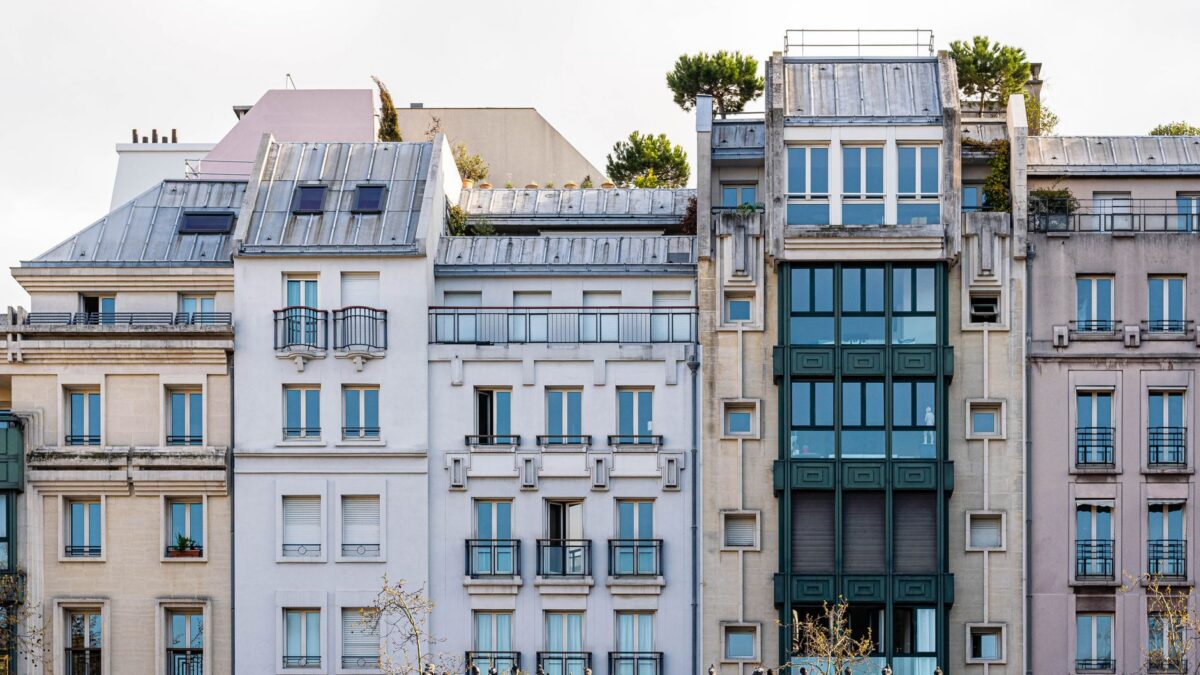
Older flats in Paris sold for an average of about 9,560 euros per square metre in the second quarter of 2026, according to the notaries’ price statistics. On top of the price, buyers pay notary fees (frais de notaire), which for an older property are around 7 to 8 percent of the price. Foreign buyers follow the same process as residents, with extra checks on mortgages and the source of funds.
How much do flats cost in Paris?
Notaires du Grand Paris publish price statistics each quarter, and the figure above is an average for older flats across the city, not a quote for any street. Prices differ widely between arrondissements, between floors and between flats with and without a lift, and by energy rating. A small studio costs less in total but often more per square metre. Treat any average as a starting point and compare recent sales on the notaries’ public price database before you make an offer. This guide gives no investment advice.
What are the notary fees?
The notary collects the taxes and fees of the sale and pays them over, which is why the amount is high. Most of the fees are transfer taxes, not the notary’s own pay. For an older property in Paris, a total of about 7 to 8 percent of the price is a normal estimate as of November 2026. New-build flats carry lower fees, typically a lower percentage. The notary’s own emoluments follow a national scale, so the rate does not vary between notaries, and the bulk goes to the state and local authorities. Your notary will provide an exact calculation before you sign. The Paris notaries also provide an online calculator.
| Cost | What it covers |
|---|---|
| Purchase price | Agreed with the seller, may include agency commission |
| Transfer taxes (droits de mutation) | The largest part of the notary fees, collected for the state, department and commune |
| Notary’s emoluments | Fixed by a national scale |
| Disbursements | Land registry and administrative charges |
| Mortgage costs | Bank fees, guarantee, borrower insurance, if you borrow |
| Agency fee | Often included in the advertised price; the listing says who pays |
What are the steps to buy?
- Search and offer. You visit flats and make a written offer. If the seller accepts, the agent or a notary prepares the preliminary contract.
- Compromis de vente. This is the signed preliminary contract (a compromis de vente or promesse de vente). It sets the price, the conditions and the date of the final deed. The buyer usually pays a deposit, often around 5 to 10 percent of the price, which is held by the notary.
- Cooling-off period. A buyer who is a private individual has ten days to withdraw after the signed contract is formally notified to them. During this time the buyer can cancel without penalty and the deposit is returned.
- Conditions. The contract usually depends on the buyer getting a mortgage within a stated period, often 45 to 60 days. If the loan is refused for valid reasons, the sale falls through and the deposit is returned.
- Checks. The notary checks the title, the building regulations and the condominium documents (copropriété): minutes of meetings, upcoming works, charges, and the technical diagnostics.
- Deed. The final deed (acte authentique) is signed at the notary’s office, usually about three months after the compromis. You pay the balance and the fees, and receive the keys. The notary registers the sale.
What should I check in the condominium documents?
Most Paris flats are in a copropriété (co-owned building). Ask for the minutes of the last three annual meetings, the annual charges, any decided or planned work such as a roof or facade repair, and any unpaid sums. The energy performance rating (DPE) matters too: rules limit the rental of the worst-rated properties, which affects flats you plan to rent out. The rent cap guide explains another rule that applies to rentals.
Can a foreigner get a mortgage?
Non-residents can borrow in France, but banks tend to require a larger down payment and proof of stable income and may be stricter on the currency of income, so terms vary by bank. Residents with a French employment contract usually have more options. Apply through banks or a broker and ask for the total cost, including insurance. If you hold a temporary permit, ask the lender how its length is treated; read the guide to permit types to see what yours allows. Buying a home does not by itself give a right to residence.
What are the yearly costs of owning?
Owners pay condominium charges, home insurance and the property tax (taxe foncière), as explained in the guide to housing taxes. Renting out the flat adds income tax obligations. Check service-public.gouv.fr for the current rules on buyers’ rights.
Bottom line
Before you make an offer, ask the notary for a written estimate of the total fees and check the condominium minutes yourself, since upcoming works can add thousands of euros to your cost. Make sure the mortgage condition in the compromis covers the time your bank really needs, and use the ten-day period to read every clause with a notary or lawyer.
FAQ
Can I choose my own notary?
Yes. The buyer and the seller can each have a notary, and they share the fees, so having two does not cost more.
Is the ten-day period also for the seller?
No. It protects the buyer who is a private individual.
Do notary fees go down if I negotiate?
The fees are set by law, but they are calculated on the price, so a lower price lowers them.
Can I buy without living in France?
Yes. Foreign buyers can purchase property, though banks and the notary will ask for identity and the source of funds.