Learn French in Paris: Free and Low-Cost Classes
Where newcomers can learn French for free or cheaply in Paris, which test proves your level, and when a private school is worth it.
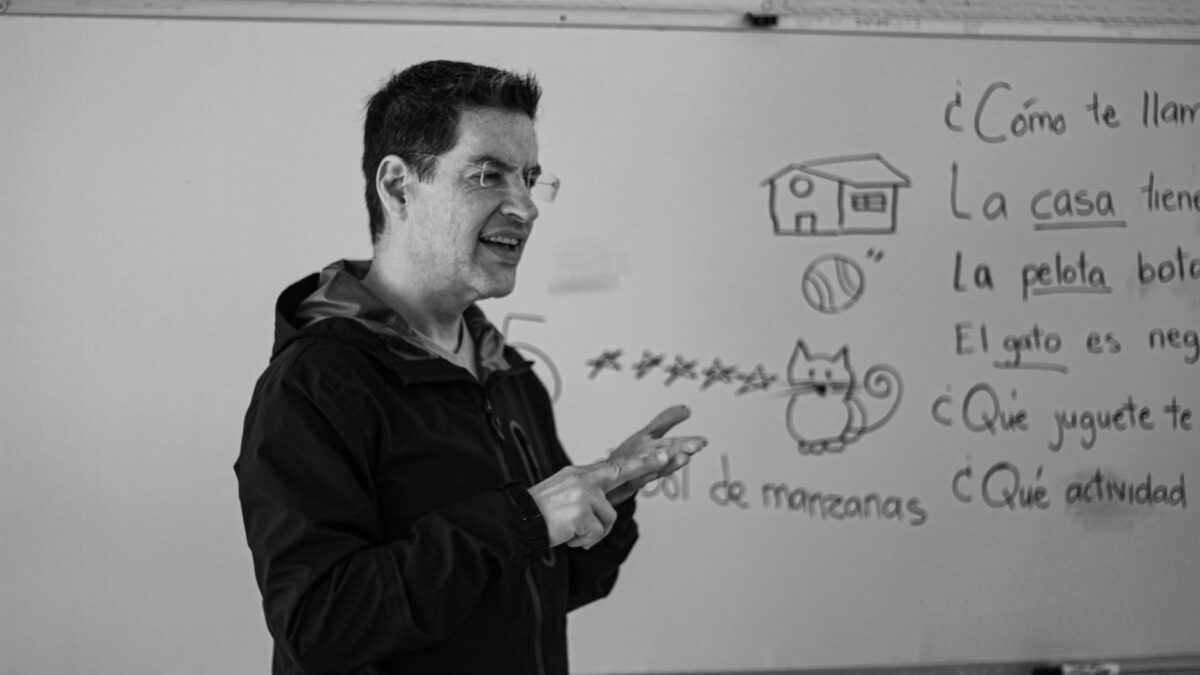
Free or low-cost French classes in Paris come from three main routes: language training linked to the integration contract with OFII, neighborhood workshops run by associations and social centers, and adult courses organized by the city. Private language schools cost more but give more hours and a fixed schedule. Eligibility, fees and waiting lists differ, so confirm each one before planning around it.
What levels and tests exist?
French levels follow the European scale from A1 (beginner) through B2 (independent) to C2 (near-native). Three exams are common for official purposes: the DELF and DALF diplomas (valid for life) and the TCF test (a score valid for a limited time). They are organized through approved centers, and fees vary by center and level, so check with the center. Different procedures ask for different levels, which has been changing.
| Purpose | Level often asked |
|---|---|
| Integration contract with OFII | Training aims at a basic level; a test at the end |
| Multi-year permit, residence card | A language level set by law; the 2024 immigration law raised several requirements. Check the current level on service-public.gouv.fr |
| Naturalisation | An intermediate level proved by a recognized diploma or test; the level was raised, so check the current one |
See the guides on permit types and naturalisation for what applies to you.
Is there free language training through OFII?
People who sign the republican integration contract (contrat d’intégration républicaine) with OFII are offered free language training if a test shows a level below the objective. It is aimed at newly arrived non-EU nationals with a first long-stay permit. After the first appointment at OFII, the agency tells you whether you are assigned a course and where. See ofii.fr for the current conditions, and the guide on visa validation with OFII.
Which free or low-cost classes exist outside OFII?
- Adult courses of the City of Paris. The city runs language classes for adults, including French as a foreign language. Fees are usually based on income and residence. Registration periods fill up quickly, so check paris.fr for dates.
- Ateliers sociolinguistiques (ASL). These are neighborhood workshops, often free or very cheap, run by associations and social centers. They focus on everyday French and administrative skills. Search for those in your arrondissement through the mairie or a centre social.
- Volunteer-led conversation groups. Libraries and associations sometimes host free conversation groups. They are good for practice, not for exam preparation.
- Public libraries. They offer language-learning resources and meeting spaces at no cost for residents with a card.
- Public-sector training. France Travail may fund language training for jobseekers in some cases, see the unemployment guide.
When is a private school worth it?
Private schools in Paris offer intensive courses, evening classes, and exam preparation for DELF or TCF. They cost considerably more than public options, and prices differ widely by school and course length. A private school makes sense if you need a faster pace, a visa-related certificate or flexible hours around work. Look for transparent prices, a placement test, small groups and a course that issues an attendance certificate. Student visa holders should check with their school what is needed for the student permit.
What should I expect from a free class?
Free and municipal classes usually meet a few hours a week in groups of mixed backgrounds, with a placement interview before you are assigned to a group. Expect a waiting list in September and January, when most courses start. Attendance matters: some courses drop learners who miss several sessions in a row, and an OFII course may ask for an attendance record. Bring an identity document and, if asked, proof of address and your residence permit, since the organizers often check eligibility on the first day. Childcare is rarely included, so ask in advance whether children can attend or whether the class runs while schools are open.
How do I choose a level and a plan?
Take a free online placement test from a recognized center to estimate your level, then match the class to it. Classes that are too high or too low waste time. Write down your goal first, whether it is a permit, a job or daily life, since it decides which test and how fast you need to go. Plan to combine a class with daily practice: reading local news, listening to French radio and using French in shops and offices. A beginner often moves from A1 to A2 in a few months of regular classes, though speed depends on hours per week and exposure.
Bottom line
Register for more than one option at once, since free classes have waiting lists. Start with the OFII appointment if you are eligible, add a neighborhood workshop for speaking practice, and book an exam only when a deadline or a document needs the certificate, as booking too early costs money without benefit.
FAQ
Which exam should I take, DELF or TCF?
Take the one the authority asks for. DELF diplomas do not expire, while a TCF result is valid for a limited period.
Are free classes open to everyone?
Many are open to residents regardless of status, but OFII training is for people under the integration contract. Check eligibility for each.
Can children learn French too?
Yes, schools offer support classes for newly arrived children. See the school enrolment guide.
How long does it take to reach B1?
It varies widely by hours of study and prior languages, so ask a school for a realistic estimate after a placement test.