Moving Money to France: SEPA Transfers and Fintech Options
How to send money into a French account: euro transfers, other currencies, bank versus fintech costs and the amounts that must be declared.
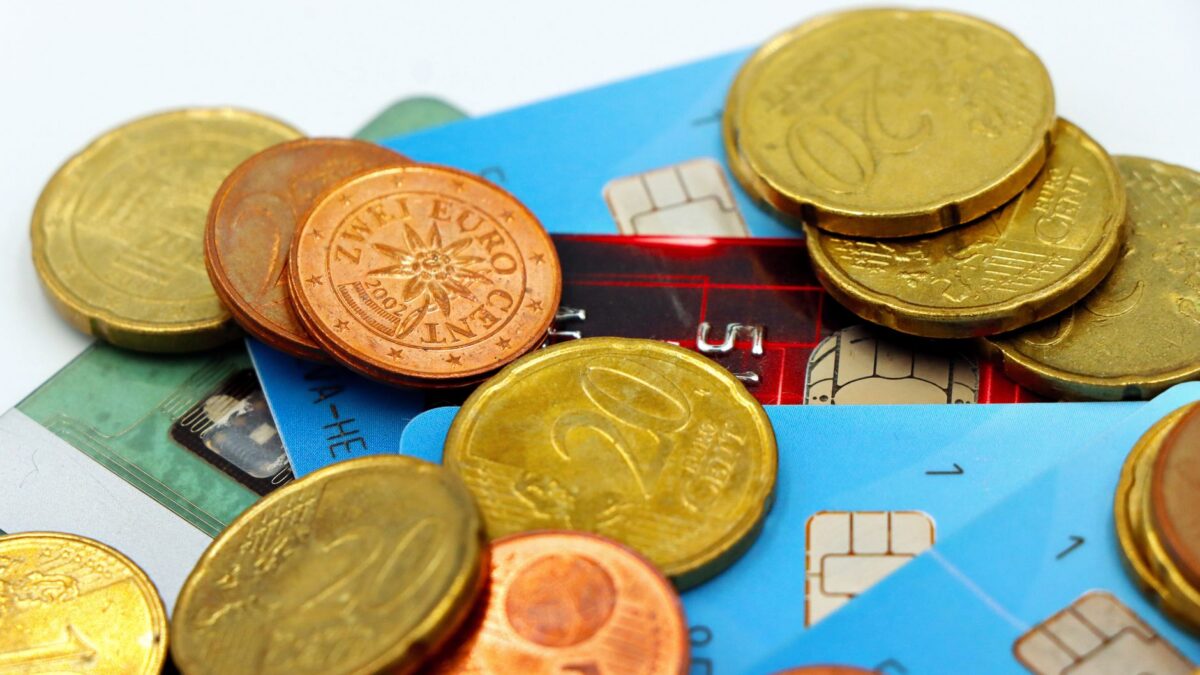
Sending euros to a French account from another country in the euro area (or the wider SEPA zone) is usually cheap or free and takes about a day, because SEPA (the Single Euro Payments Area) treats a cross-border euro transfer like a domestic one. Sending other currencies costs more: you pay a fee and an exchange-rate margin, which are the two numbers to compare.
How does a SEPA transfer work?
You need the recipient’s IBAN, the account holder’s name and, for some banks, the BIC code. In euros within SEPA, regulation requires banks to charge the same fee for a cross-border payment as for a domestic one, and many banks charge nothing in online banking. Standard transfers settle in one business day. Instant transfers, which arrive in seconds at any hour, have become widespread among banks in the euro area, though some charge a fee, so check before you choose the option.
Open a French account first, as described in the guide on opening a bank account in Paris, so you have a French IBAN. A foreign bank may also send money to a French account even before your move.
What if the money is in dollars, pounds or another currency?
Receiving a transfer in a different currency has two parts to check: a fixed fee and the exchange rate used. Compare the rate offered with the mid-market rate (the rate shown on financial sites) to see the margin. The total cost is the fee plus the margin.
| Route | What to compare | Typical trade-off |
|---|---|---|
| Traditional bank, international transfer (SWIFT) | Fixed fee at both ends, rate margin, intermediary bank fees | Familiar, but fees and margins are often higher and the final amount can be uncertain |
| Online money-transfer provider (fintech) | Fee shown upfront, margin close to mid-market rate | Often lower cost; needs identity checks and a bank account at the end |
| Multi-currency account | Account fees, conversion margin, limits | Convenient if you regularly move between currencies |
Prices and rates change daily and differ by amount and corridor, so run the same sample amount through two or three providers on the day. This guide does not recommend any provider. Check that the provider is licensed in the EU or UK, and read what happens if a transfer is delayed.
Are there limits or declarations?
Receiving money in your account is not itself taxed, but banks monitor large or unusual flows under anti-money-laundering rules, and they may ask where the funds come from. Keep proof, such as a sale contract, a salary slip or a statement from your previous account.
Physical cash is different. In the European Union, a traveler entering or leaving the EU with 10,000 euros or more in cash must declare it to customs. Transfers by bank do not require that declaration but are visible to the authorities.
If you become a tax resident in France, you must declare foreign bank accounts on your annual tax return, and income or gains from abroad may also be taxable. Read the first tax return guide and check impots.gouv.fr for the current forms. Thresholds and forms change, so confirm them as of November 2026.
Which documents do banks usually ask for?
For a large incoming transfer, a French bank may ask for a short explanation and a document. Typical examples are a savings statement from your previous bank, a salary slip, a sale deed for a property or a gift letter if family members are helping. Answering quickly keeps the money from being held. If the money is meant for a deposit on a flat, see the guide to renting in Paris to plan the timing of the transfer before you need to pay.
How do I send money from France abroad?
The same logic applies in reverse. Within SEPA, a euro transfer to another SEPA country is cheap or free. To other countries, compare the fee and the exchange rate. Your French bank may require a reason for a large international transfer, for example for a property purchase, and may ask for documents. Some providers have monthly limits until they verify your identity.
How can I avoid common problems?
- Check the recipient’s name and IBAN character by character. Some banks now compare the name with the IBAN before sending, but not all.
- Do not choose to be charged in the recipient’s currency without checking the rate; asking the sender’s bank to convert can cost more.
- Do not split a large sum into pieces to avoid checks. Several transfers just below a limit look suspicious to banks.
- Keep the confirmation of every transfer for tax and rental files.
- Be cautious about unsolicited offers of cheap exchange. Scams use fake payment pages and urgent requests.
Bottom line
If your money is in euros, send it by SEPA from your own bank and you are done. If it is in another currency, price the same amount at two or three providers on the same day and look at the amount that lands in your account, not at the fee alone. Keep the paperwork that shows where the money came from, since banks and the tax office can ask for it.
FAQ
How long does a SEPA transfer take?
Usually one business day; instant transfers take seconds where both banks offer them.
Do I pay tax when money arrives from abroad?
The transfer is not a taxable event by itself, but the underlying income, gift or sale may be. Ask a licensed professional for a specific case.
Is cash a good way to bring money?
Not for large amounts. Cash of 10,000 euros or more must be declared at the EU border, and it is harder to prove its origin.
Can I use my foreign account in France?
Often yes for cards and transfers, but fees and rents paid by direct debit are easier with a French account.