Jardin du Luxembourg: Hours, What to See and Winter Tips
A free garden with fountains, chairs and a palace. Hours change through the year, so here is how to plan around them.
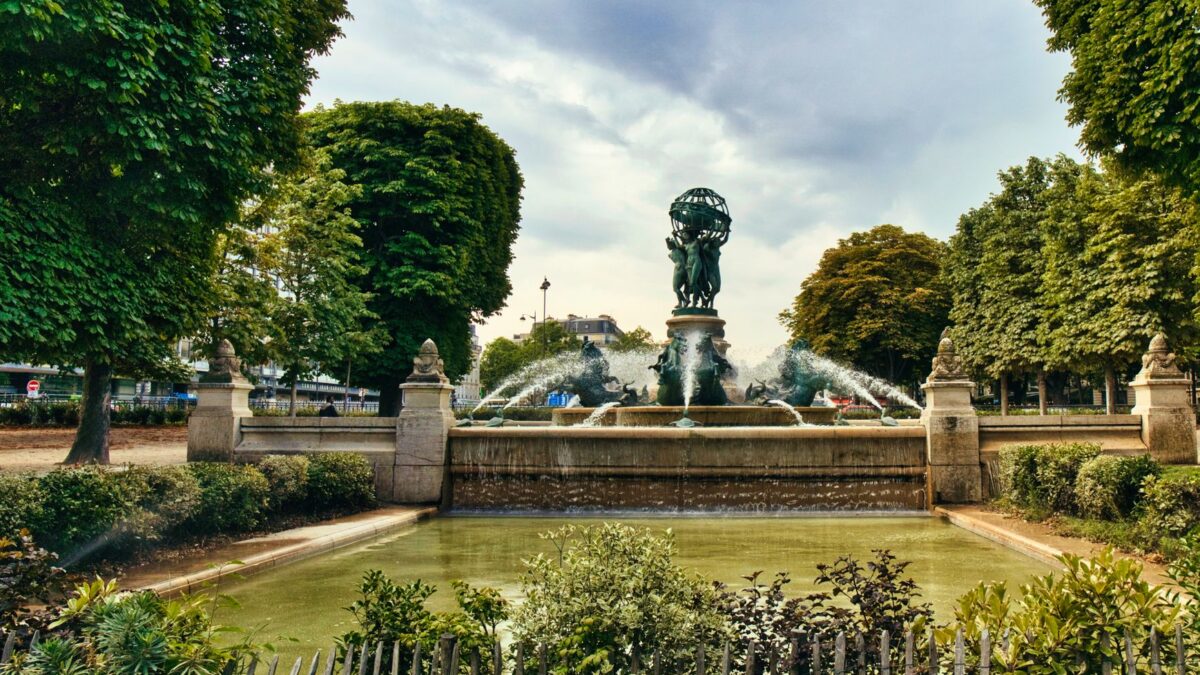
The Jardin du Luxembourg is a free public garden in the 6th arrondissement, next to the French Senate. Its opening hours follow sunrise and sunset and change through the year, so check the posted times on the Senate’s garden site before you go. In winter the gates close as early as late afternoon.
What are the opening hours?
The garden is run by the French Senate, which publishes a schedule that changes every two weeks according to daylight. Guides report that the gates open between about 7:30 and 8:15 and close between about 16:30 in midwinter and 21:30 in summer. The Senate’s rules say the hours displayed at the gates follow sunrise and sunset. Exact times for your date are on the Senate’s garden website. The garden can also be closed temporarily for security or weather reasons, notably in strong wind, when falling branches are a risk.
What is inside the garden?
- The Medici Fountain, a 17th-century grotto-style fountain shaded by plane trees, a quiet corner in any season.
- The Grand Bassin, the large octagonal pond in front of the palace, where children traditionally sail small toy boats rented from a kiosk during the season.
- Green metal chairs scattered around, free to move and sit on.
- Statues of French queens and famous women, set along the terraces.
- Playgrounds, a carousel and pony rides for young children, usually paid and often seasonal.
- Tennis and boules courts, and a bandstand for occasional concerts.
- An orchard and beehives in a corner of the garden.
Some attractions, such as the toy sailboats and pony rides, run only in certain seasons or on certain days, and prices are posted on site. We could not confirm 2026 prices.
Can you visit the Senate?
The Luxembourg Palace is the seat of the French Senate. Regular visits are not open to everyone every day: guides describe them as by reservation or by invitation of a senator, and visits can be canceled when the Senate’s schedule requires it. The Senate opens its buildings freely during the European Heritage Days in September; in 2026 that was 19 and 20 September. Check senat.fr for the current visit rules, because we could not find a standard booking page for ordinary visits.
Which cafés and food are nearby?
Kiosks in the garden sell coffee, ice cream and snacks, and open hours vary by season. The streets around the Luxembourg, such as rue de Médicis, rue Vavin and the streets leading to Saint-Germain-des-Prés, have cafés and bakeries. Picnicking on the lawns is limited because grass areas are often closed for protection, so use chairs and benches. A takeaway lunch from a bakery fits well. Our food markets guide lists markets nearby for supplies.
Is the garden worth visiting in winter?
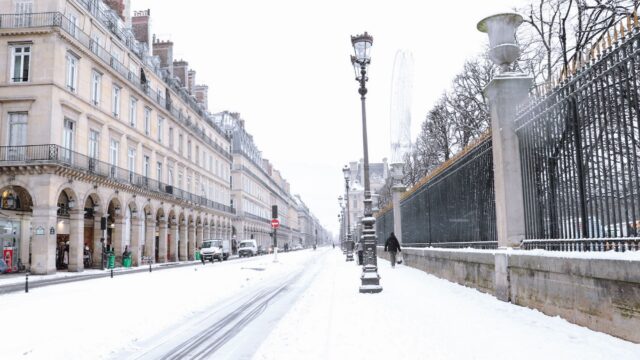
Yes, if you dress warmly. Bare trees open the views of the palace and the Eiffel Tower in the distance on a clear day, and there are fewer people. Some kiosks and rides are closed, fountains can be turned off in freezing weather, and paths can be muddy. Hours are shortest from December to January, so go around midday. For indoor stops nearby, the Musée du Luxembourg holds temporary art shows, and the Panthéon is a short walk.
What are the main rules?
- Walk on gravel paths; many lawns are protected.
- Dogs are generally not allowed; check the posted rules.
- Bicycles and scooters are not allowed inside.
- Follow the closing whistle; guards clear the garden at dusk.
The official rules at the gates apply, and they may vary on event days.
What is the history of the garden and palace?
The palace was built in the early 17th century for Marie de’ Medici, widow of King Henri IV, who wanted a residence like the Pitti Palace in Florence where she grew up. The gardens were laid out around it, and over the centuries the grounds were reshaped. After the Revolution the palace became a legislative building, and it has housed the Senate in the modern era. The Medici Fountain was added around 1630 and moved to its current location in the 19th century.
The garden mixes French formal style, with symmetrical terraces and paths, and English-style informal areas with winding paths. It covers about 23 hectares, and its alleys are lined with horse chestnut and plane trees.
Is the garden good for children?
Yes. Besides the playground and toy sailboats, there is a marionette theater with regular shows, usually on weekends and Wednesdays. Tickets and schedules are published by the theater itself, and the show language is French. The paid playground has a separate entrance, and there are fixed opening hours and sometimes age limits, so check the site. For a rainy-day alternative, see our museum comparison.
Bottom line
Pick the time based on closing, not opening: in winter, arrive by noon and plan to leave at the posted time. Bring a coffee, grab a green chair by the Grand Bassin and combine the visit with Saint-Germain or the Panthéon. If the weather is poor, the garden may close, so keep a museum as your backup.
FAQ
Is the Jardin du Luxembourg free?
Yes, entry is free; activities such as tennis, rides and boat rentals are paid.
What time does it close in winter?
Guides report as early as about 16:30 in midwinter; check the Senate site for your date.
Can I picnic?
Not on protected lawns; benches and chairs are the usual option.
Is it near a metro?
RER B Luxembourg station and metro Odéon, Mabillon and Saint-Sulpice are nearby; see our metro hours guide.