Paris Food Markets: Covered and Street Markets Compared
Paris has covered halls and open-air street markets that run on set days. Here is how they work and what each is good for.
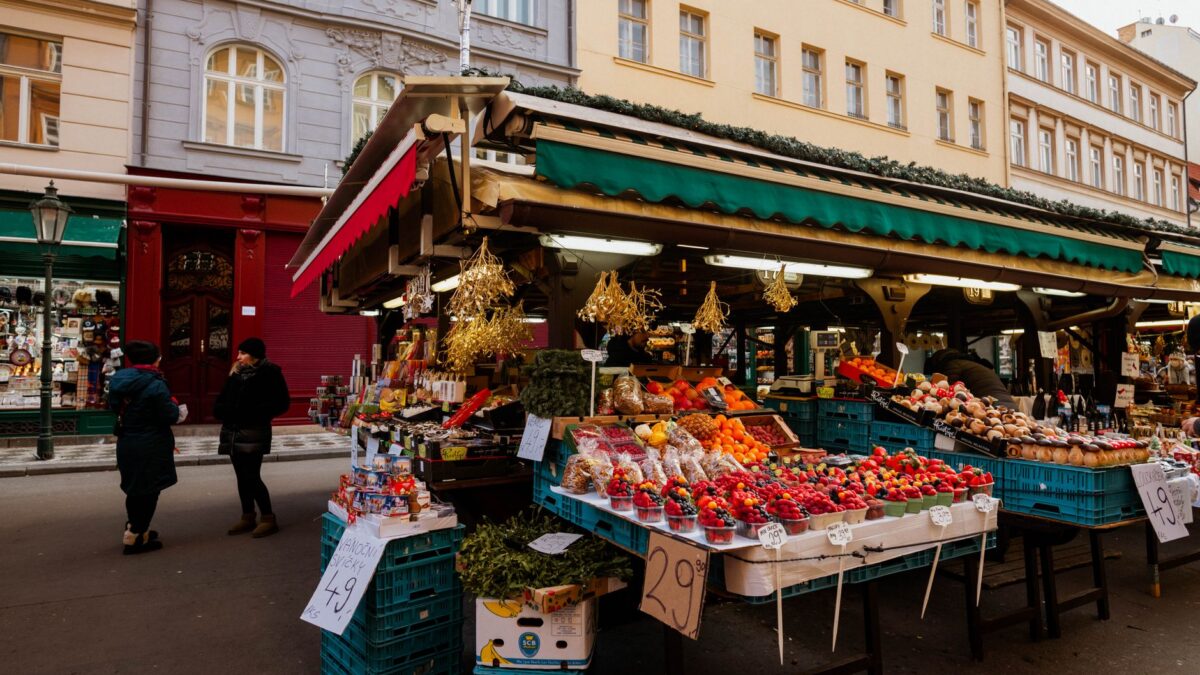
Paris has two kinds of food market: covered markets (marchés couverts) in permanent buildings and open-air street markets (marchés découverts) that set up on certain mornings and are cleared by lunchtime. The City of Paris sets the days and hours, which change, so check paris.fr before you go. Street markets are free to enter and most stalls take cards or cash.
How do Paris street markets work?
The city licenses around 80 open-air food markets, spread over every arrondissement. Each is held on one to three set mornings a week at a fixed spot, often on a boulevard or square. Stalls usually open early and close around 13:30 to 14:30. Sellers pack up on the dot, and fish and meat stalls may sell out by noon. The city lists each market’s location and days on paris.fr; search for “marchés alimentaires”. Because the schedule changes for public holidays, bad weather and roadworks, always check the week you travel.
Which are the best covered markets?
Covered markets stay open on rainy days and have a more settled cast of vendors.
- Marché des Enfants Rouges in the Marais, thought to be the oldest covered market in Paris, with food stalls where you can eat on the spot. One listing consulted for this guide reported the market closed after a fire in October 2026; check its current status before travelling.
- Marché Saint-Germain in the 6th arrondissement, a modern hall with a mix of food stalls and shops.
- Marché Beauvau beside the Aligre street market in the 12th, a small covered hall.
Hours at covered markets are usually longer than at street markets and include afternoons, but days and times vary by stall, so confirm on the market’s own page.
What are the best-known street markets?
| Market | Area | Good for | Check |
|---|---|---|---|
| Marché d’Aligre | 12th arr., place d’Aligre | Cheap fruit and vegetables, a daily mix of stalls and the covered hall | Days and hours on paris.fr |
| Marché Bastille | 11th arr., boulevard Richard-Lenoir | Large general market with produce, cheese, fish and prepared food | One guide gives Sunday mornings to about 14:30; confirm the days |
| Marché Raspail | 6th arr., boulevard Raspail | Organic (bio) produce on Sundays; a conventional market on Tuesdays and Fridays | One guide gives Sunday hours of about 7:00 to 14:30 |
We could not confirm exact current hours for Aligre and Bastille from official pages. Use the table as a map of what each is known for, not as a timetable.
What should you buy at a Paris market?
Seasonal produce is the best value: in November and December look for apples, pears, squash, chestnuts, mushrooms, endives and oysters. Cheese and charcuterie stalls will cut portions to order, and many sellers offer vacuum packing for travel. Prepared food, such as roast chicken, crêpes and olives, makes a cheap lunch. Greet the seller with Bonjour before you ask for anything, and point and say how much you want rather than touching fruit unless invited.
How do you pay?
Most stalls accept cash, and many accept contactless cards, but small stalls may have a minimum or cash only, so carry some euros. Weigh-and-pay is normal: the seller weighs the produce and tells you the price. Bring your own bag; many markets no longer give plastic ones.
What are the practical rules?
- Go early for the best choice and late for end-of-market discounts, when some sellers lower prices.
- Watch your belongings in crowds; pickpockets work busy markets.
- Avoid bringing a large suitcase or stroller to the busiest ones.
- Markets can be closed on 25 December and 1 January and shortened on other holidays.
If you are staying in an apartment, markets are also the cheapest way to cook at home. See our monthly budget guide for the cost of groceries.
Which market suits which visit?
If you want a first taste with a seat, choose a covered market with food counters. If you want to cook, choose a large street market with several butchers, fishmongers and greengrocers, since competition keeps prices fair. If you want organic produce, Marché Raspail on Sunday is the best-known bio option. If you have only an hour, pick the market closest to your metro stop and walk its full length once before buying, so you can compare prices and quality.
Seasonal food is a good guide. Winter markets feature citrus from southern Europe, root vegetables, cheeses such as Mont d’Or (sold in cold months) and oysters, especially in December. Spring brings asparagus and strawberries, and summer brings tomatoes and melons. Ask the seller which items are local and which are imported; most will tell you.
What if you do not speak French?
A basic exchange is enough: Bonjour, je voudrais (I would like), the item, s’il vous plaît, then merci, au revoir. Prices are posted per kilo, and the seller will weigh what you point to. Stalls selling cheese or meat will often offer a taste or suggest portions for the number of people.
Bottom line
Pick the market nearest your lodging and visit twice: once for browsing and once with a shopping list. For a single special trip, Sunday is the busiest and most atmospheric day for the big markets, while a weekday morning gives more room to chat with sellers. Before you set out, check the city’s list and, for covered markets, the market’s own page.
FAQ
Are Paris markets open on Sundays?
Many street markets run on Sunday mornings and close by early afternoon, while others do not run on that day. Check the specific market.
Are markets cheaper than supermarkets?
Produce at big street markets can be competitive, especially late in the session, but specialty items cost more.
Can I buy a market meal?
Covered markets with food stalls are set up for eating, while street markets mostly sell takeaway items.
Do vendors speak English?
Some do, but a few French words go a long way.