A Day in Montmartre: Sacré-Cœur, Place du Tertre and More
How to get up the hill, what is free and paid at Sacré-Cœur, where to wander and how to stay safe on the steps.
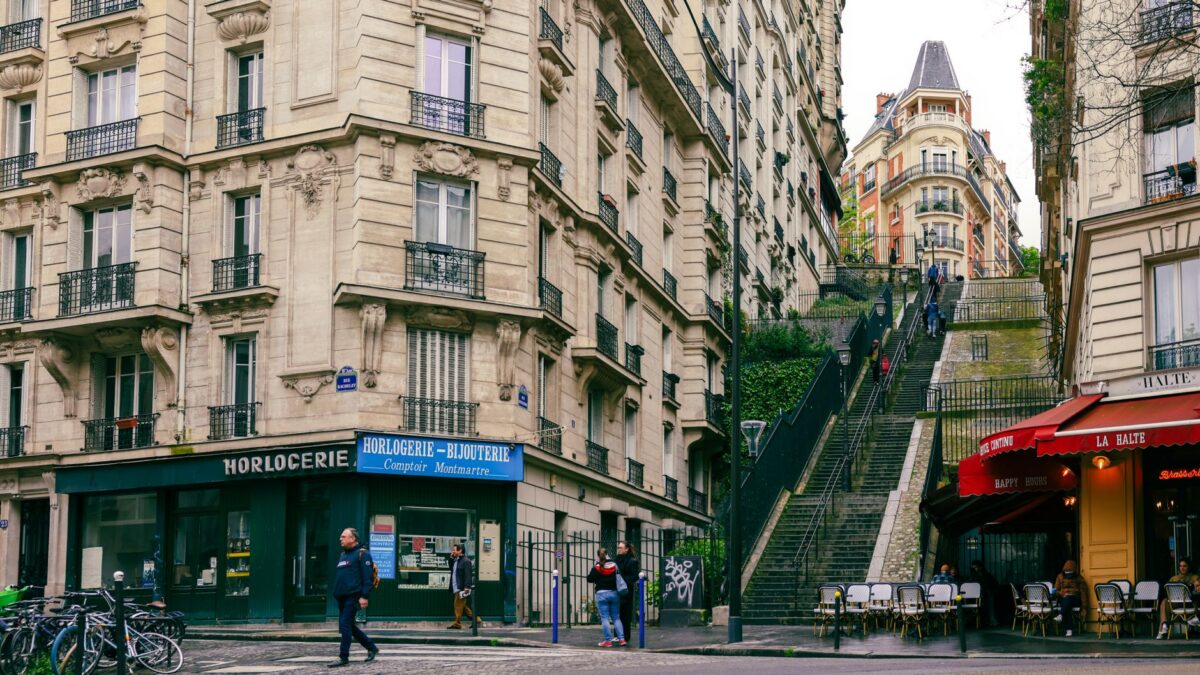
The Basilica of Sacré-Cœur is free to enter every day from 6:30 to 22:30, and only the dome climb is paid, bought on site. The easiest ways up Montmartre are metro to Abbesses or Anvers and the funicular, which takes a regular transport ticket. Allow half a day for the hill and a full day if you add a museum.
How do I get to Montmartre and Sacré-Cœur?
| Route | What to expect |
|---|---|
| Metro line 12 to Abbesses | Deep station with lifts and stairs; a short walk uphill to the steps and the funicular, through quiet streets |
| Metro line 2 to Anvers | Walk up Rue de Steinkerque, a busy souvenir street, to the foot of the basilica steps |
| Funicular | Runs from the foot of the steps to the basilica; about €2.55 per RATP’s page (as of November 2026) and a metro ticket validated earlier cannot be reused |
Check the fare on ratp.fr and use a Navigo pass if you have one; our Navigo and tickets guide explains the options. The funicular is a good choice if you are tired or with a pushchair, though it can queue in the afternoon. If you walk, the stairs are steep and busy, and an alternative path runs behind the hill through quieter streets.
What is free and what is paid at Sacré-Cœur?
The basilica’s official site says it is open every day of the year from 6:30 to 22:30 and that admission is free and needs no booking. Only the dome climb requires a paid ticket, bought at the ticket office on site; the dome is open about 10:15 to 17:30 with last entry at 17:00 according to one source, and the dome price is reported at around €8 for adults. A combined dome and crypt ticket has been reported at around €11. Confirm both on the basilica’s site, because those prices come from secondary sources. The basilica is a place of prayer, so keep quiet. Follow the signs about photography.
What should I see in a day in Montmartre?
- Morning: the Sacré-Cœur steps and terrace at opening time, when the view over the city is clear and the crowds are small.
- Late morning: the basilica interior, then the dome if you want the highest point in the city.
- Midday: Place du Tertre, the old painters’ square, which is lively and touristy; walk through rather than eating there.
- Afternoon: the Musée de Montmartre and its garden, with its exhibitions on the neighbourhood’s artists. Reported prices are €15-16 and hours 10:00-19:00 daily; check the museum’s own site.
- Evening: the Moulin Rouge exterior on Boulevard de Clichy near Place Blanche, which can be seen from the street.
Add the vineyard on Rue des Saules and the quiet lanes of the west side if you have time. For a longer day, combine the hill with the Musée d’Orsay or other nearby sights.
How do I avoid pickpockets and scams?
Crowded stairs and metro stations attract pickpockets, and the steps of Sacré-Cœur are known for people who tie bracelets on visitors’ wrists and ask for payment. Practical rules:
- Say no and keep walking if someone approaches with string or a clipboard.
- Keep phones and wallets in zipped inner pockets, and bags in front of you on the stairs and metro.
- Do not sign petitions on the street, which is a common pickpocket distraction.
- If something is stolen, report it to the police and contact your bank; our emergency numbers guide lists what to call.
Where do I find local food?
The streets around Rue des Abbesses and Rue Lepic have bakeries, cafés and a market on Rue Lepic on certain days; check current market days on paris.fr. Restaurants directly around Place du Tertre target tourists, so eat a few streets away for a better price. Cafés offer a prix fixe at lunch; check the menu board for the price before you sit.
How should I handle the stairs and accessibility?
The streets of Montmartre are steep, cobbled in places and often crowded. The funicular makes the main climb easier for visitors with reduced mobility, though the dome and some museum areas have stairs. The Abbesses station has lifts, but check the RATP site for current outages. Wear flat shoes with grip, particularly on wet days when the cobblestones are slippery. A relaxed pace and a stop for coffee halfway make the day more comfortable than a rush from site to site.
When is the best time to visit?
Early morning has the clearest air and the smallest crowds on the steps, and sunset gives warm light over the city but the largest crowds. In winter, the hill is windy and shorter days limit the walking, so plan the museum for the afternoon and finish at the basilica before dusk. On the first Thursday of each month the basilica closes at midnight instead of 22:30, according to its site, which suits a late visit.
Bottom line
Go early, walk up the quiet side and come down by the main stairs when you want the view and the steps. Pay only for the dome if you want it, and treat anyone touching your wrist as your cue to leave. Plan the museum for the afternoon when the steps are busiest.
FAQ
Is Sacré-Cœur free?
Yes, entry to the basilica is free. The dome and crypt are paid.
Can I take the funicular with a Navigo pass?
The funicular is part of the transport network and takes a regular ticket; passes that cover the zone are valid. Check the RATP page for the current rule.
How long does the hill take?
Two to three hours for the basilica and the streets, and a full day with the museum and a long lunch.
Is Montmartre safe at night?
The main streets are busy and well lit, but pickpocketing is common; stay on busy streets after dark and watch your bag.