Emergency Numbers in Paris: 15, 112, 18 and 17 Explained
Four numbers cover most emergencies in Paris. Knowing which to call saves minutes when they count.
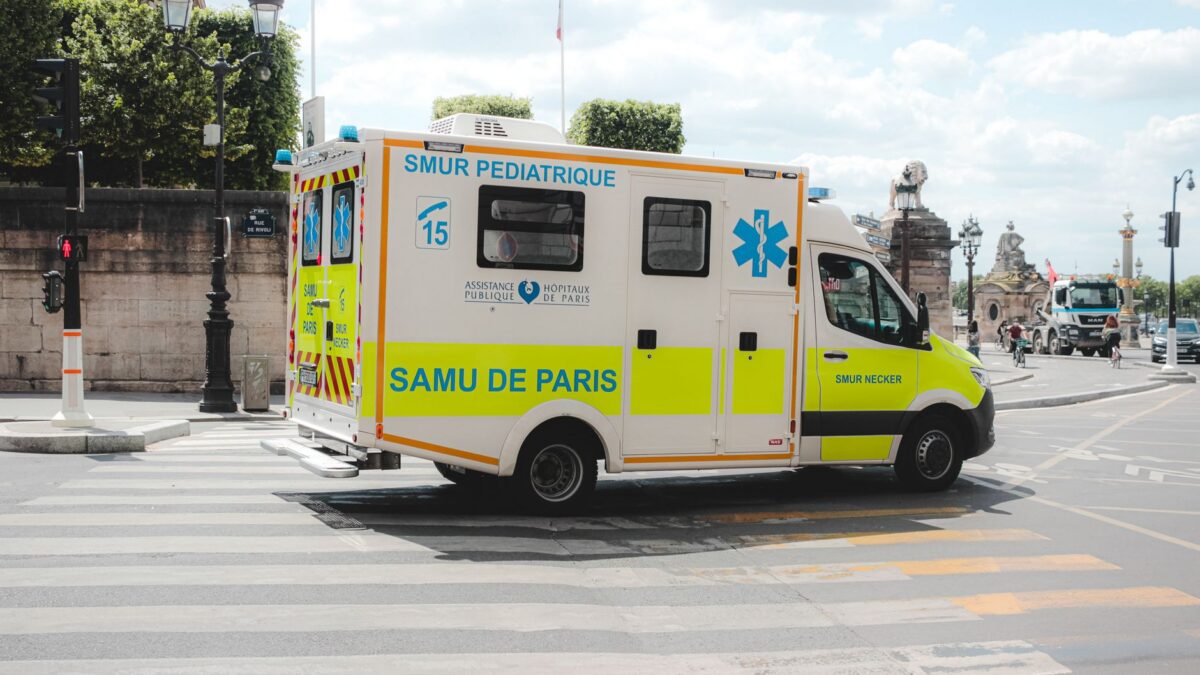
In Paris, call 15 (SAMU) for a medical emergency, 18 for the fire brigade, 17 for the police and 112 from any phone if you are unsure. All are free. Say your address first, then what happened, and stay on the line until the operator ends the call.
Which number do I call?
| Number | Who answers | Use it for |
|---|---|---|
| 15 | SAMU (medical emergency service) | Chest pain, someone who is unconscious or not breathing, severe injury |
| 18 | Pompiers (fire brigade) | Fire, road accident, drowning, flooding, life in danger |
| 17 | Police | Crime in progress, road accident, immediate threat |
| 112 | European emergency number | Any emergency; it routes you to the right service |
| 114 | Text and video emergency line | People who are deaf, hard of hearing or cannot speak |
| 3114 | Suicide prevention line | Free, staffed 24 hours a day |
These numbers come from the French government’s emergency numbers page. Other useful lines are 115 (social emergency shelter), 119 (children in danger) and 3919 (domestic violence).
What is the difference between 15 and 112?
112 works across the European Union, including from a mobile with no credit or with no SIM in some cases, and sends you to the right service. 15 goes straight to the medical dispatcher. If you speak little French, 112 is the easier habit, because operators can pass you to an English speaker where one is available. Do not rely on that: have your address ready in French (street number, street, arrondissement) and be ready to spell it.
How do I speak to the operator?
- State where you are: street, number, arrondissement, nearby landmark, building code or floor.
- Say what happened and how many people are hurt.
- Answer the questions you are asked. The medical dispatcher may give first-aid instructions.
- Do not hang up. Since October 2024 you can also be called back from 0 800 112 112, a number that only calls out and does not take calls (service-public.gouv.fr).
When do I go to the urgences instead?
The urgences (hospital emergency room) take serious but not life-threatening cases that you can reach safely. For a possible heart attack, stroke, breathing difficulty or heavy bleeding, call 15 or 112 first and do not drive yourself. For non-urgent care at night or on weekends, try a duty doctor or a duty pharmacy. Public emergency rooms triage patients, so expect waits for minor cases.
What does an emergency visit cost?
Emergency care in a public hospital is billed within the normal reimbursement system, with a part left to you and often covered by a mutuelle. A fixed patient fee applies in many cases, with exemptions such as long-term illness and pregnancy. The amount changes, so check ameli.fr for the current figure. If you are not yet insured, ask the hospital’s social service about access to care; urgent treatment is not refused.
What other help lines should I know?
Beyond the main numbers, Paris residents should know a few more. 115 reaches the social emergency service for people without shelter. 119 is the child protection line, free and open around the clock. 3919 is the national line for victims of domestic violence. 196 is for rescue at sea, which matters only on trips to the coast. The government’s emergency page lists all of them, with the right numbers for each case.
A poison emergency should go through the poison control centre in Paris or through 15, depending on severity. If a child swallows something, call before trying home remedies. Do not induce vomiting unless the operator tells you to.
What should I do before the ambulance arrives?
Unlock the building door or leave a message with the concierge, send someone to the street to wave the team in and gather what the crew will need: ID, medication list, allergies and, if relevant, your health insurance details. If the person is unconscious and not breathing, the dispatcher will talk you through chest compressions. Follow the instructions even if you have never been trained.
In apartment buildings, give the door code and floor. In narrow Paris streets, ambulances can be slowed by parked cars, so standing outside helps. If you are in a metro station or on a train, tell staff, who have direct lines to the services.
Can I call from outside France?
From another EU country, 112 also works. If you travel with children or relatives who do not speak French, save the numbers with their French names (SAMU, pompiers, police) so a guest or babysitter can pass them to a neighbor. Keep your phone charged, and if the battery is low, call first and explain after.
Does 112 work without a SIM card or credit?
An emergency call from a mobile can be made without credit, and in many cases without a SIM card, though coverage depends on the network. Always have a charged phone ready.
Bottom line
Save 112 and 15 in your phone favorites and write your address in French on a note near the door, particularly if a babysitter or relative stays with children. In a real emergency, a calm address is worth more than perfect French.
FAQ
Are emergency calls free?
Yes, from any phone in France, including mobiles without credit.
Can I text for help?
Yes, through 114, which is meant for deaf and hard-of-hearing people and for situations where you cannot speak.
Which number for a mental health crisis?
Call 3114 for suicide prevention, staffed around the clock. If someone is in immediate danger, call 15 or 112.
What about finding a doctor at night?
SOS Médecins and the duty doctor service operate locally. See how to find a doctor in Paris for routine care.