Finding a Doctor in Paris: Doctolib, Médecin Traitant and Fees
Finding an English-speaking doctor is easy in Paris if you know where to filter. Declaring your regular doctor decides how much you get back.
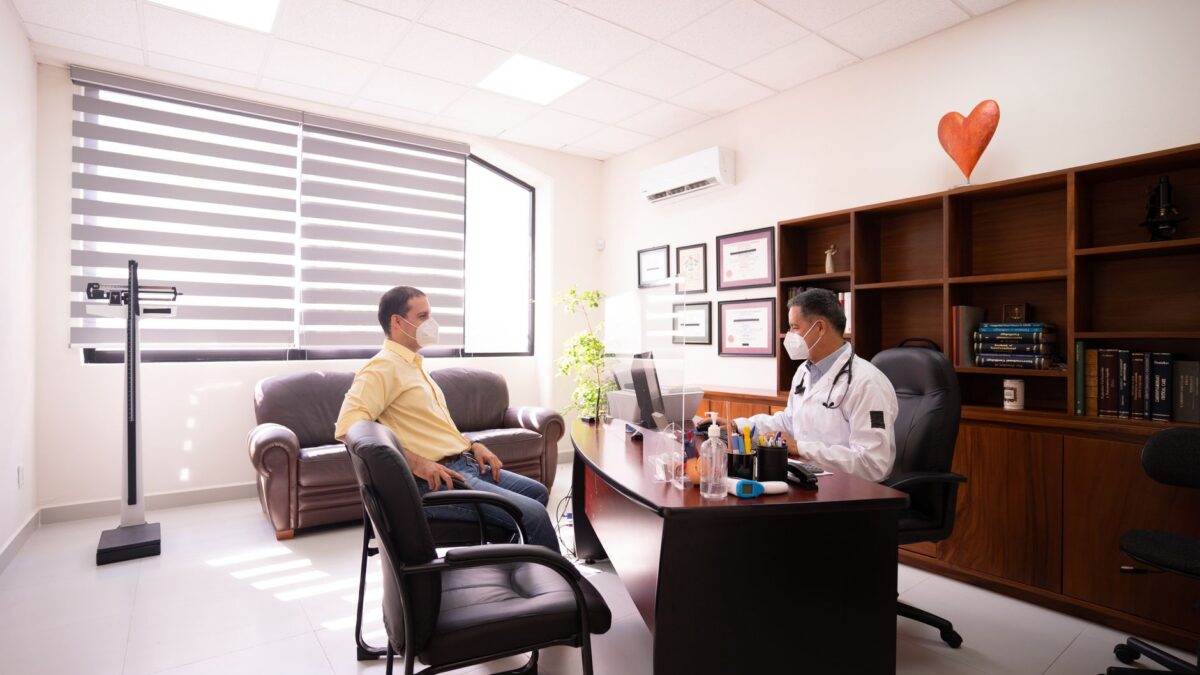
To find a doctor in Paris, search on Doctolib or in ameli’s health directory, filter by language and sector, then book online. Then declare that GP as your médecin traitant (regular doctor) through your ameli account or at the visit. A declared GP in sector 1 charges 30 euros and the state reimburses 70% of that, as of January 2026.
How do I find a GP who speaks English?
- Open Doctolib (the booking site used by most Paris practices) or the annuaire santé on ameli.fr.
- Search for médecin généraliste with your arrondissement or postcode.
- Filter by spoken language. On Doctolib, the language filter relies on what each practice has filled in.
- Check the sector and whether the doctor is accepting new patients.
- Book a first visit. New patients often wait days to a few weeks, and you may need several tries.
What is a médecin traitant and why declare one?
The médecin traitant is the doctor you register with the Assurance Maladie. From age 16 you are expected to choose and declare one. If you do not, or you see a doctor outside the care pathway, you are reimbursed less: for a sector 1 GP visit, ameli gives 8.40 euros instead of 19 (ameli.fr). Declare through your ameli account, which requires a permanent social security number, or ask the doctor to do it with your Vitale card.
What is the difference between sector 1 and sector 2?
| Sector | Fees | Reimbursement base |
|---|---|---|
| Sector 1 | Official tariff, for example 30 euros for a GP | The same tariff |
| Sector 2 | Doctor sets the fee, so overages are common | Official tariff only (lower for doctors outside the OPTAM scheme) |
The overage is never reimbursed by the state, though a mutuelle may cover part. Some specialists in Paris are mostly sector 2. Examples of sector 1 specialist fees from ameli: a gynecologist at 40 euros, a cardiologist’s specific consultation at 52.50 euros.
How much do I pay at the visit?
Most doctors ask you to pay the full fee, then claim reimbursement through your Vitale card. Many offer third-party payment (tiers payant) if you have a mutuelle. A 2-euro flat deduction applies per visit for adults, with exceptions such as people under 18 and pregnant women from the sixth month.
What if I need a doctor out of hours?
SOS Médecins sends a doctor to your home in many parts of Île-de-France. Fees are higher than a normal consultation, and the doctor sets the price. For a true emergency use the numbers in our Paris emergency guide.
What about specialists and tests?
For most specialists your GP writes a referral letter first. With a referral inside the care pathway you are reimbursed at the normal rate. Direct access is allowed for a few fields, among them gynecology, ophthalmology, dentistry, psychiatry for patients under 26 and some others. Check on ameli.fr before booking. Laboratory tests and scans need a prescription, and results usually arrive on a patient portal or by email.
Waits for specialists in Paris vary a great deal. An ophthalmologist or dermatologist may book weeks ahead, while a GP often has a slot within days. If you need to be seen sooner, ask the GP’s surgery for a cancellation list, or try a health center (centre de santé), which often applies sector 1 prices and can handle several specialties in one place.
Can I see a doctor by video?
Yes. Teleconsultations are reimbursed at the same rate as an in-person visit when they fit the care pathway, with a few conditions. They suit repeat prescriptions and minor symptoms. Many Doctolib practices offer video slots, and some national platforms exist as well. Ameli publishes the rules for reimbursement of telemedicine on its consultation page. Always check that the doctor is registered in France and that the platform sends you a feuille de soins or files the claim directly.
Language is the other issue: many doctors in Paris speak some English, but medical vocabulary can be tricky. Bring a note with your medicines and conditions written in French, or use the translation function on your phone for the basics.
What documents do I bring to the first visit?
Bring your carte Vitale or proof of rights, ID, your mutuelle card, any previous medical records and a list of medicines you take with their active ingredient. If you have vaccination records from abroad, bring them as well. Doctors in Paris often work to the minute, so arrive a few minutes early but not much earlier, and cancel online if you cannot come, since missed appointments are penalized on some booking platforms.
Ask for a feuille de soins if your Vitale card is not working, so that you can claim your reimbursement by post. Keep your receipts for tax and mutuelle claims.
Bottom line
Book the first appointment before you need one, ideally with a doctor close to home who has the sector 1 label. Specialists also need a referral from your GP to be reimbursed at the full rate, so the GP relationship pays off well beyond routine visits.
FAQ
Can I see a specialist without a referral?
You can, but you are reimbursed less. Some specialties, such as gynecology, dentistry and ophthalmology, allow direct access.
Is Doctolib free for patients?
Yes. Practices pay for it. Some accept only video visits or only existing patients.
Can I change my médecin traitant?
Yes, at any time, by declaring the new one. There is no fee.