Civil Servants March in Paris as 660K Stay Paid Below the Smic
France's public sector strikes on Nov. 17 over the frozen point d'indice. The Paris march route, expected turnout and what the government has offered.
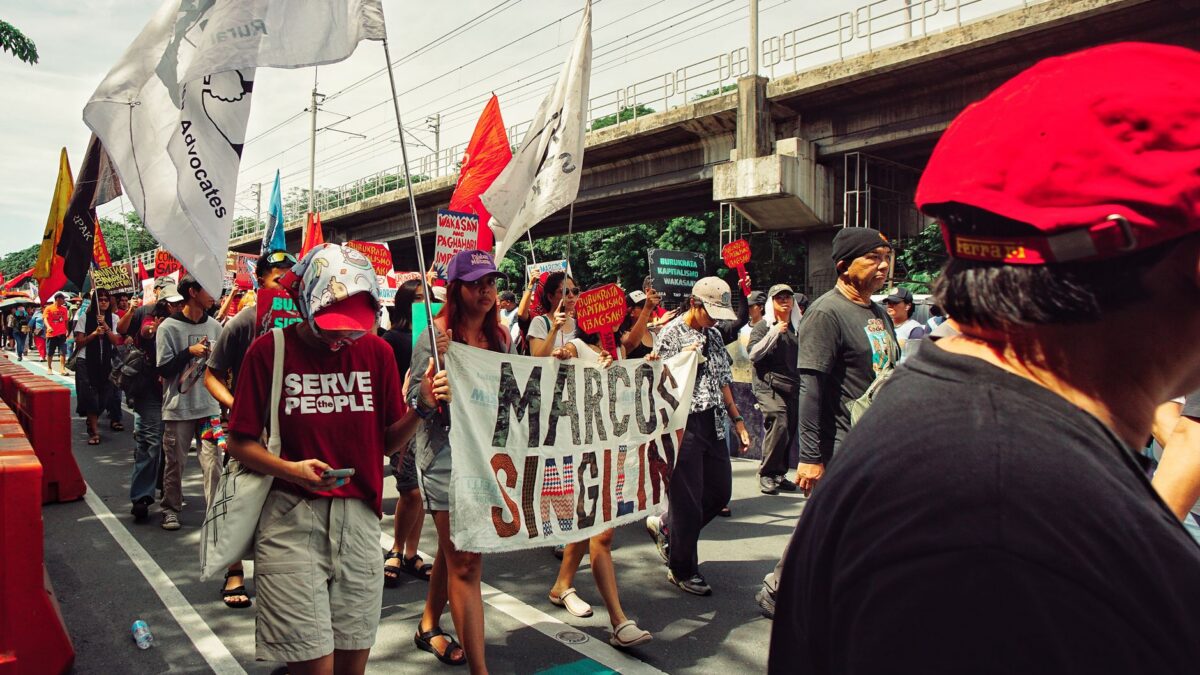
France’s 5.8 million public-sector workers are called out on strike and onto the streets on Tuesday, Nov. 17, to demand pay rises while Parliament debates the 2027 budget. In Paris, a march leaves place de la Nation at 2 p.m. and heads to place d’Italie, according to union sources quoted by AFP.
The protest goes ahead even though the government has raised the lowest civil-service salaries. About 660 thousand agents will still have a base salary below the Smic (the national minimum wage), BFM reported.
How many people are expected in Paris
A police source told AFP that 40 to 80 thousand people are expected in the capital and between 220 and 300 thousand across France. This is the third joint strike call in the public sector since the September return, after Sept. 29 and Nov. 5.
Students and other groups plan to join the marches. They include Interfac IDF, which describes itself as the general assembly of students at universities in the Île-de-France region, a youth union alliance (USL, Fage, Unef and Union étudiante) and a coordination of gilets jaunes (the “yellow vest” movement). The Ministère de l’Éducation nationale (education ministry) said it expects 3.73% of primary-school staff to strike.
A meeting at Matignon that changed nothing
On Friday, Prime Minister Sébastien Lecornu received the civil-service unions at Matignon (the prime minister’s office), the first such meeting in nearly 20 years. The unions wanted across-the-board raises, since the minimum wage for private-sector employees was raised the week before. They left without them. Most unions had called the strike before the meeting, and the CFDT joined them on Friday.
The dispute centres on the point d’indice, the value used to calculate every public agent’s base salary. The government’s draft 2027 budget rules out a general increase for the fourth year running. Unions put the loss of purchasing power for agents since 2017 at 16%, and say inflation has pushed a growing share of them down to minimum-wage level.
What this means for public workers’ pay
The Smic rises on Dec. 1. Before the government’s latest measures, that rise would have left 1.1 million public agents, close to 20% of the total, with a base salary under the minimum wage, BFM reported. The government lifted the lowest pay scales, but around 660 thousand will still be below it.
No civil servant can be paid less than the Smic, so those agents will receive an allowance covering the gap. Unions object because this allowance does not count toward their pension.
Fabien Golfier, secretary general of the Fédération autonome de la Fonction publique (FA-FP), told AFP the government was only catching up. He said public services are on the front line in every crisis, yet their staff are treated worse than other employees in France.
David Amiel, the minister for public accounts, said the Smic increase and the measures for the lowest-paid agents together will cost more than a billion euros. Several hundred million euros of that covers the decisions on public agents alone.
What happens next
The government has opened a month of talks that includes a redesign of public-sector pay scales. Unions will be received at Matignon again after the civil-service professional elections on Dec. 11.
The government refuses general raises because of pressure on public finances, while the unions keep demanding them. BFM reported doubts that the dispute will be settled before the elections due in the spring.
Source: BFM