How to Set Up Electricity in a Paris Flat: EDF and Alternatives
How to choose between EDF's regulated tariff and market offers, and what to prepare before moving in.
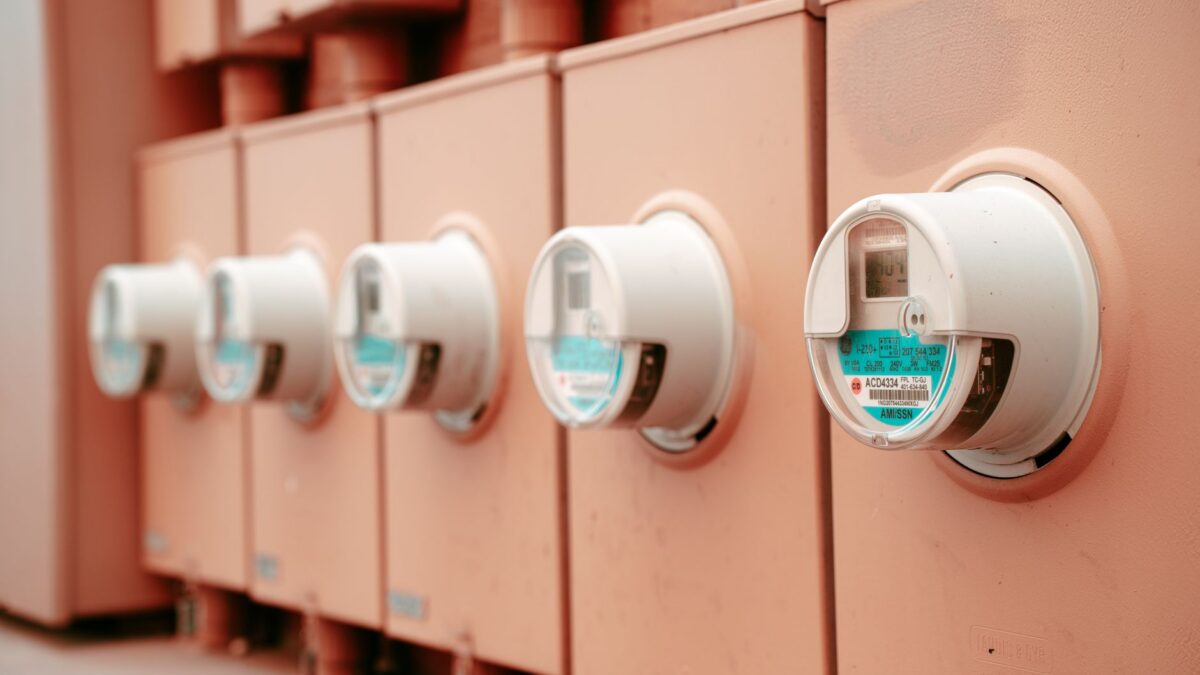
To start electricity in a Paris flat, choose a supplier (EDF or another), give your move-in date, address and the meter number (PDL), and sign the contract online or by phone. The supplier asks Enedis, which runs the grid, to switch on the supply, often within a few days. Contact the supplier at least two weeks before you move in.
What do you need to start a contract?
- The address and your move-in date.
- The meter number: the PDL (point de livraison) of 14 digits on the Linky meter or a previous bill. Landlords or agents can usually provide it.
- The latest meter reading if the meter is not a Linky.
- Your RIB for direct debit (see how to open a bank account), and ID.
- Your contact details and the subscribed power in kVA, usually 6 kVA for a small flat but depends on the heating and appliances.
What is the regulated tariff and what are market offers?
EDF sells the Tarif Bleu, a regulated tariff whose price is set by the government on the proposal of the energy regulator. Other suppliers sell market offers with prices that they set, often with a discount against the regulated price, fixed price for a period, or a green electricity label. As of November 2026, the regulated tariff rose about 2.5% on 1 August 2026 according to EDF. Compare the price per kWh and the monthly subscription (abonnement), not the headline discount.
| Option | How it works | Points to check |
|---|---|---|
| Tarif Bleu Base | One price all day | Closed to new subscriptions from 9 to 36 kVA since February 2026, as reported |
| Tarif Bleu Heures Creuses | Cheaper hours, pricier rest of the day | Worth it only if you can shift use to off-peak hours |
| Market offer, fixed price | Price held for a set period | Price after the fixed period, exit fees |
| Market offer, indexed | Follows the regulated price with a discount | Whether the discount applies to kWh, subscription or both |
Reported figures for autumn 2026 show roughly €0.20 per kWh for the Base option and around €0.21 (peak) and €0.16 (off-peak) per kWh for peak/off-peak, but sources differ by a few tenths of a cent, so use EDF’s grid for your power level.
What does the Linky meter mean for you?
Linky is the communicating meter installed across France. It lets the grid operator activate your supply and read your use remotely. In most cases you do not need to be at home on the start date. A standard switch-on usually costs a small fee billed by the supplier, reported around €2 in 2026 in comparison sources; urgent or manual interventions cost much more. Ask your supplier for the current price.
How do off-peak hours (heures creuses) work?
Heures creuses are periods when electricity is cheaper, traditionally eight hours at night, used to run washing machines or water heaters. From November 2025, the schedule has been changing gradually until the end of 2027 so that more households get off-peak hours during the day. Check which hours apply at your address before you choose this option.
What is the energy cheque?
The chèque énergie is a state aid for low-income households to pay energy bills. It is issued based on tax data, so it only reaches you if you have filed a tax return and meet the income conditions. See service-public.fr for the current rules and amounts.
Step by step: starting your supply
- Ask the landlord for the PDL, the power (kVA) and the contract history.
- Compare two or three offers by kWh price and subscription.
- Subscribe with your move-in date.
- Take a photo of the meter on the day you arrive.
- Check the first bill against the reading and the agreed tariff.
What should you check on the first bill?
Check the tariff name, the subscribed power in kVA, the price per kWh and the subscription, and the reading dates. Compare the starting reading with your photo of the meter from move-in day. Look at whether the bill is based on real readings or estimates; a Linky meter sends real readings, so large estimates are a warning. Keep the bills, because a landlord or the CAF may ask for them as proof of address, and the energy supplier’s online account lets you download them. If the amount looks wrong, contact the supplier first, then use the energy mediator named on the bill if the problem is not solved.
Bottom line
For a small Paris flat, the choice between EDF and a rival usually saves a modest amount. The bigger risk is a late start. Subscribe two weeks ahead and photograph the meter. Pick the plan with no exit fee if you may move within a year. Add internet at the same time using the mobile and fibre plan comparison, and tick it off your first-month checklist.
FAQ
Do I need a French bank account?
Most suppliers want a direct debit from a euro-area account, and some accept a card payment.
Who pays the electricity, tenant or landlord?
The tenant pays for use, unless the charges are included in the rent in a furnished lease. Check your lease.
Can I switch supplier later?
Yes. Switching is free and the new supplier handles it without interrupting supply.
Is gas separate?
Yes. Gas is a separate contract if your flat has gas. Many Paris flats are all-electric.