Père Lachaise Cemetery: Hours, Entrances and Famous Graves
The world's most visited cemetery is a free, hilly park of tombs. Here are the winter hours, the entrances and how to find well-known graves.
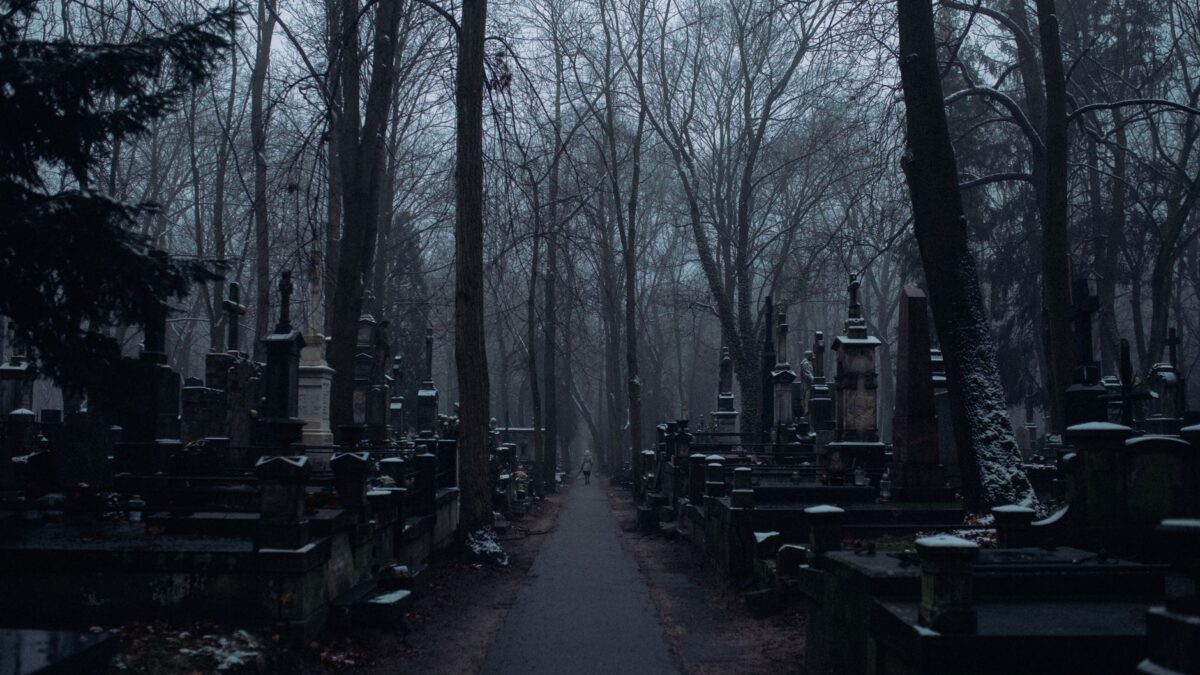
The Père Lachaise cemetery in the 20th arrondissement is free and open every day. According to the City of Paris, winter hours from 6 November to 15 March are Monday to Friday 8:00 to 17:30 and Saturday 8:30 to 17:30, with Sunday and public-holiday hours starting a little later. Fountains are switched off in winter.
What are the opening hours?
The City of Paris publishes seasonal hours in a visitor leaflet. For the winter period (6 November to 15 March) it lists weekdays from 8:00 and Saturday from 8:30, both closing at 17:30. Visit Paris Region gives Sunday and public-holiday opening at 9:00. In the longer summer period the cemetery closes later, around 18:00; check the dates on the official Père Lachaise page. Gates close at the stated time and staff walk the paths before closing, so leave in good time.
The cemetery also opens for All Saints’ Day (1 November), when many Parisians visit family graves, and it gets very crowded.
Where are the entrances?
There are several. The main one is on boulevard de Ménilmontant, near the Philippe Auguste metro (line 2), and another is on rue des Rondeaux near the Gambetta station (line 3 and 3bis). The Père Lachaise metro station (lines 2 and 3) is next to the Boulevard de Ménilmontant side too. Because the site is on a hill, the shortest route through the cemetery from Gambetta is a climb, while the route from Ménilmontant is more gradual. Our metro ticket guide explains fares.
How do you find well-known graves?
Maps are posted near the entrances, and the city’s leaflet has a plan of the divisions (numbered sections). Graves are located by division number and you follow the signs and the small plaques at corners. Widely visited graves include those of Jim Morrison, Oscar Wilde, Édith Piaf, Frédéric Chopin, Molière and Marcel Proust, plus the memorial wall of the Communards (Mur des Fédérés). Visitors leave flowers and notes, but some graves are fenced or protected, and the city asks that you follow the rules and not touch or deface monuments.
A free map from the entrance or the official leaflet is more reliable than apps, because grave locations are recorded by division numbers rather than street addresses, and online maps are sometimes wrong.
Are there official guided tours?
The City of Paris says the cemetery does not organize guided visits itself. Tours that you see advertised are offered by independent companies and associations; prices quoted by third-party sites range from roughly 15 to 22 €, and booking is often required. The City may publish free themed walks for special events from time to time. Check paris.fr for current programmes before paying anyone.
What are the rules for visitors?
- Speak quietly and keep to the paths; this is an active cemetery where burials still take place.
- Do not take food, play music or bring bikes or scooters inside.
- Dogs are generally not allowed; check the posted rules at the gate.
- Photography for personal use is usually fine; commercial filming needs permission.
- Do not walk on graves or climb on monuments.
The posted rules at each gate are the final word, and rules may vary on commemoration days.
How long should you allow?
An hour covers a few famous graves; a full afternoon covers the main avenues. The paths are cobbled, uneven and steep in places, so wear sturdy shoes. In winter, the light fades early and some paths are muddy.
What is the history of Père Lachaise?
The cemetery opened in 1804 on land that once belonged to the Jesuit priest François d’Aix de La Chaize, confessor to Louis XIV, which gives the place its name. It was laid out as a garden-style burial ground on the edge of the city, and became popular after the remains of famous figures were moved there in the early 19th century. Today it covers more than 40 hectares and holds several tens of thousands of monuments, making it one of the largest green spaces in eastern Paris.
It is also a place for memorials to historical events, including monuments for victims of the Holocaust and for those who died in the Paris Commune of 1871. Many visitors come for the architecture of the tombs as much as the famous names, with styles ranging from neoclassical chapels to Art Nouveau sculpture.
What can you combine with a visit?
The nearby Belleville and Ménilmontant neighborhoods have cafés, bakeries and the Parc de Belleville viewpoint, a short walk away. If you prefer an indoor stop, the Musée Carnavalet in the Marais is on the same side of the city, and our museum comparison explains its free entry. Public toilets are limited inside the cemetery, so plan a stop at a café outside.
Bottom line
Pick three or four graves, mark their divisions on the free map and walk a loop that goes downhill at the end. Arrive before 15:00 in winter so you are not hurried out at 17:30. If you want stories and context, a licensed independent guide adds more than a self-guided walk, but check reviews and prices first.
FAQ
Is Père Lachaise free?
Yes, admission is free according to the City of Paris.
Is it open on Sundays and holidays?
Yes, with opening times a little later than weekdays; check the leaflet.
Which grave is most visited?
Jim Morrison’s and Oscar Wilde’s are among the best known, and both have protective measures or barriers.
Is it safe?
It is a public cemetery, but stay on the main paths and watch belongings like anywhere in Paris. Leave before closing time.